What Are the Benefits of Iso Container Houses for Global Buyers?
The emergence of Iso Container Houses has transformed the housing landscape for global buyers. This innovative approach to construction offers sustainable solutions for various housing needs. According to a report by MarketsandMarkets, the demand for modular and container homes is projected to grow significantly, driven by their affordability and adaptability.
Iso Container Houses are eco-friendly, utilizing repurposed materials. This reduces environmental impact while providing durable solutions. A study from the International Journal of Environmental Science indicates that container homes can lower energy consumption by 20% compared to traditional homes due to their efficient designs.
However, buyers must reflect on some challenges. Site preparation, zoning regulations, and insulation are key considerations. Potential buyers should weigh the benefits alongside these factors. Iso Container Houses present a unique opportunity, but understanding the full spectrum is essential. Balancing innovation with practical implications will guide informed decisions.
Understanding Iso Container Houses: A New Trend in Housing Solutions
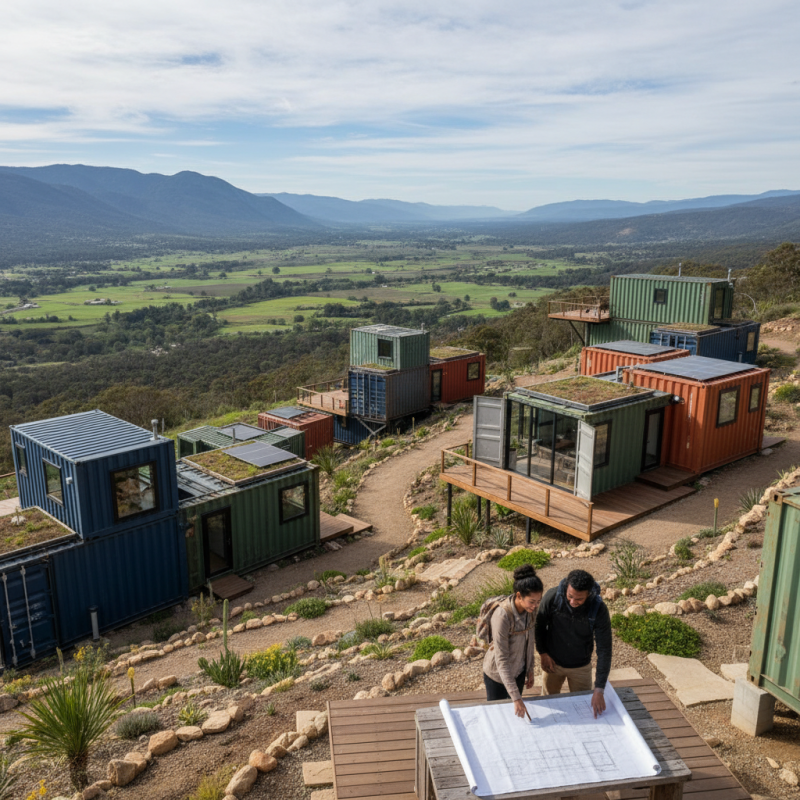
Iso container houses represent a growing trend in modern housing solutions. They are adaptable, versatile, and often eco-friendly. Designed from shipping containers, these homes can be customized to meet individual needs. Buyers can select sizes, layouts, and finishes, ensuring a unique living space. The modular nature allows for easy expansion or rearrangement.
One significant benefit is cost efficiency. Building with containers can significantly lower construction costs compared to traditional methods. Many global buyers appreciate this aspect, particularly in areas with high real estate prices. However, challenges exist. Sourcing quality containers can be time-consuming. Additionally, insulation and ventilation must be addressed carefully to ensure comfort.
Sustainability is also a driving force. Repurposing shipping containers helps reduce waste. Many buyers seek environmentally friendly options as they become more conscious of their carbon footprints. Despite these advantages, it’s essential to consider local regulations. Some areas have strict building codes that may impact installation. Buyers must research and reflect on these factors to ensure a successful project.
Benefits of Iso Container Houses for Global Buyers
This bar chart illustrates the various benefits of Iso container houses for global buyers, highlighting their cost-effectiveness, durability, eco-friendliness, mobility, and quick construction advantages.
Cost Efficiency: How Iso Container Houses Save Money for Buyers
Iso container houses are gaining traction for their numerous benefits, particularly in cost efficiency. For buyers, these structures offer an affordable alternative to traditional housing. Constructing a home from shipping containers can reduce costs significantly. The materials used are often recycled, which lowers the overall expense. Additionally, the speed of construction is remarkable. Standard building processes can take months, while container homes can often be assembled in a matter of weeks.
Moreover, these homes require less land, allowing buyers to save on real estate costs. The compact design translates into lower maintenance expenses over time. Energy efficiency is another factor; well-designed container houses can minimize heating and cooling needs, leading to reduced utility bills. However, it is essential to consider that there may be limitations in customization and potential zoning restrictions, which could impact the overall satisfaction for some buyers.
Investing in iso container houses can yield significant savings, but careful planning is required. Buyers should conduct thorough research to understand local regulations and potential obstacles. While the financial benefits are clear, the experience of living in these unique homes can vary. Balancing cost and satisfaction is crucial for a successful investment in this innovative housing solution.
What Are the Benefits of Iso Container Houses for Global Buyers? - Cost Efficiency: How Iso Container Houses Save Money for Buyers
| Benefit |
Details |
Estimated Savings (%) |
| Affordable Construction |
Lower material and labor costs compared to traditional building methods. |
30-50% |
| Reduced Transportation Costs |
Container homes can be shipped easily, reducing logistics expenses. |
20-35% |
| Energy Efficiency |
Container houses can be designed with good insulation, lowering energy bills. |
15-25% |
| Time Efficiency |
Faster construction time due to pre-fabrication of container units. |
Reduction of overall project time by 30-40% |
| Durability |
Containers are built to withstand harsh conditions, requiring less maintenance. |
Maintenance savings of up to 20% |
Sustainability Advantages of Iso Container Houses in Modern Construction
Iso container houses present significant sustainability advantages in modern construction. These structures make use of repurposed shipping containers, significantly reducing waste. This method diverts container waste from landfills and minimizes the demand for new building materials. By designing homes from what already exists, we approach a circular economy model.
Moreover, iso container homes offer energy efficiency. Their compact design can reduce heating and cooling demands. High-quality insulation can further enhance energy conservation. This efficiency translates to lower utility bills for homeowners. However, not every design choice optimizes energy use. It requires careful planning and expert input.
Finally, these houses are scalable and flexible. They can be easily modified or expanded. This adaptability allows for diverse living arrangements. Yet, without proper structural assessments, modifications can compromise safety. Recognizing these imperfections is essential for sustainable construction practices.
Flexibility and Customization in Iso Container House Designs
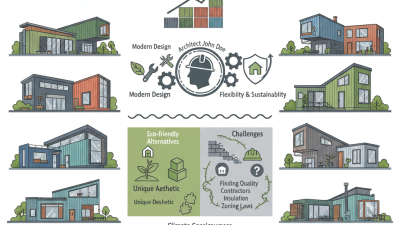
Iso container houses offer remarkable flexibility and customization options for global buyers. These structures can be modified to meet various needs and preferences. Buyers can choose different sizes, layouts, and finishes that reflect their personal style. This adaptability makes iso container houses ideal for diverse climates and landscapes.
Customization can go beyond aesthetics. Buyers might request specific insulation or electrical systems. Designers can create eco-friendly options, utilizing solar panels and rainwater harvesting systems. However, not all designs work for every environment.
Prospective buyers must consider local regulations and weather conditions when customizing their iso container home.
While the potential is vast, challenges remain. Potential structural limitations could arise if not carefully considered. Some individuals may find it difficult to envision the final result. Collaboration with experienced architects can ensure the design process stays on track.
Ultimately, flexibility and customizability are key benefits, but thorough planning is essential for successful implementation.
Global Impact: Iso Container Houses in Disaster Relief and Housing Needs
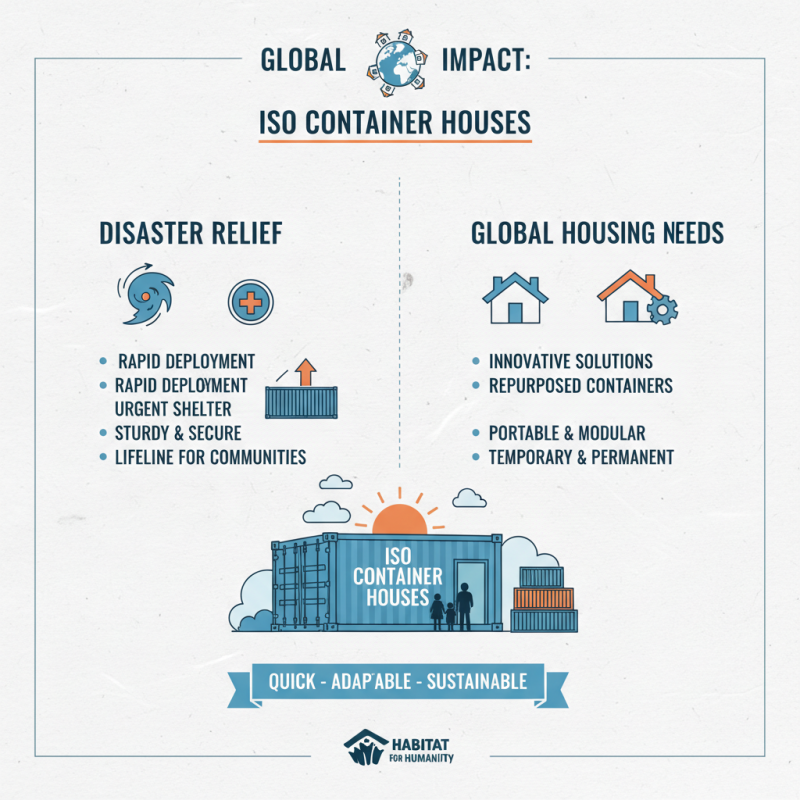
Iso container houses have emerged as innovative solutions for global housing needs, particularly in disaster relief. These structures are made from repurposed shipping containers, providing a sturdy and portable option for temporary and permanent housing. After a natural disaster, communities face urgent housing shortages. Iso container houses can be rapidly deployed, offering a lifeline to those in need.
In addition to quick deployment, these container homes can be customized for various climates and local conditions. Insulation and ventilation can be added to address temperature extremes. However, aesthetic limitations often arise, as not everyone appreciates their industrial look. Balancing functionality with design remains a challenge for architects and builders alike.
Sustainability is another critical aspect. By reusing containers, we reduce waste and resource consumption. Yet, concerns about the long-term environmental impact of these homes persist. The manufacturing process of containers and modifications can generate emissions. Ongoing research and practice must focus on improving sustainability while fulfilling immediate housing needs. The efficacy of Iso container houses in relief efforts highlights their potential while also pointing to areas for improvement.