Top 10 Container House Designs for Global Buyers?
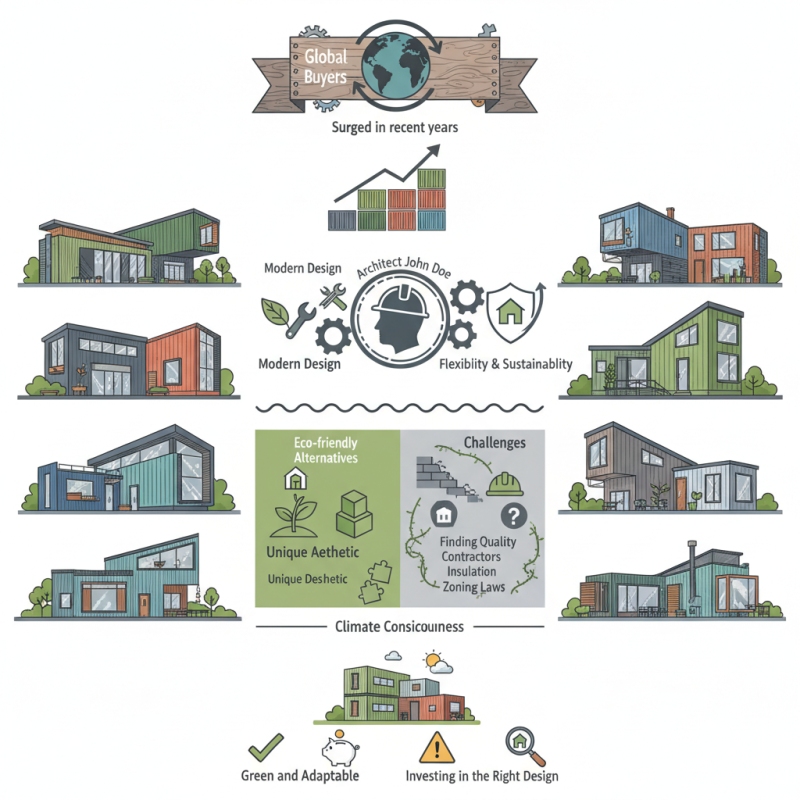
The appeal of Container Houses has surged in recent years. As global buyers seek innovative housing solutions, these stylish structures offer flexibility and sustainability. Renowned architect John Doe states, "Container Houses redefine living spaces by merging modern design with practicality." His insights highlight the growing relevance of these homes.
Container Houses are not just eco-friendly alternatives; they also provide a unique aesthetic. Many buyers appreciate the individuality that comes with custom designs. However, challenges persist. Finding quality contractors can be tough. Moreover, insulation and zoning laws create hurdles that buyers must navigate.
In this era of climate consciousness, Container Houses stand out. They promise a solution that is both green and adaptable. Yet, it is essential to approach this market with caution. Investing in the right design is crucial. By understanding these nuances, buyers can truly appreciate the value of Container Houses.
Innovative Container House Designs for Modern Living
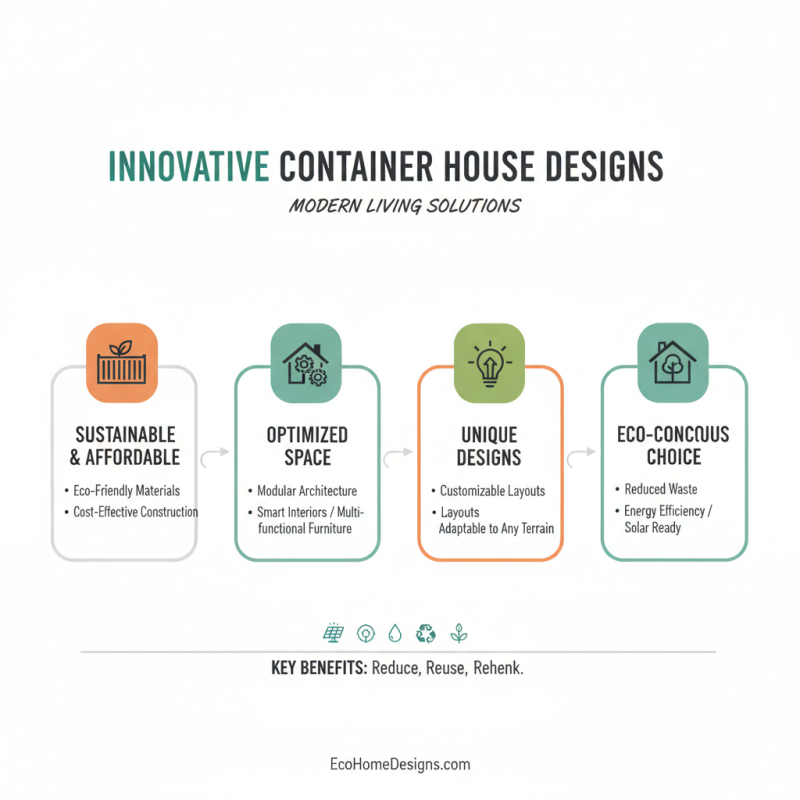
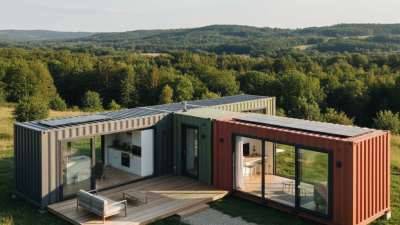
Container houses have emerged as a leading choice for modern living. They offer an innovative solution for both affordability and sustainable living. Each design reflects a unique approach to space utilization. With smart interiors, these homes maximize functionality. Many incorporate eco-friendly materials, making them attractive to environmentally conscious buyers.
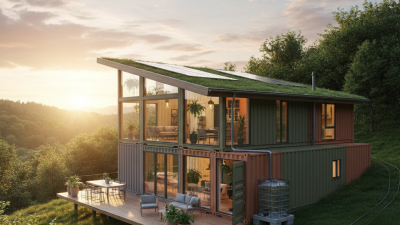
The architectural styles vary greatly. Some designs feature large windows, allowing natural light to flood in. Others emphasize compact, minimalist spaces, promoting simplicity. There’s a beauty in their versatility; they can adapt to urban or rural settings. However, the challenge lies in zoning laws and the perception of living in a shipping container.
Potential owners should also consider maintenance. Container houses require regular upkeep, especially in harsh climates. Not every design suits every environment. Ventilation and insulation are critical for comfort. While these homes offer many benefits, they may not fit all lifestyles.
Sustainable Features in Container House Architecture
Container houses are becoming popular due to their sustainable features. These homes utilize recycled shipping containers, minimizing the demand for traditional building materials. According to a report by the Global Bioenergy Partnership, recycling one container saves about 6,000 pounds of steel from entering landfills. This is a significant environmental benefit that many buyers are increasingly aware of.
Moreover, container homes are energy-efficient. They can be easily insulated to regulate temperature, reducing heating and cooling costs. The U.S. Department of Energy notes that proper insulation can lower energy bills by up to 30%. Solar panels can also be integrated into designs, allowing homeowners to generate their own energy. However, the initial costs of solar installations can deter some buyers.
Tip: Consider the local climate when planning insulation. Not all materials work effectively in every environment.
One challenge with container homes is their aesthetics. Constructing unique designs can be hard due to their original form. Some find it challenging to create visually appealing structures. Additionally, local zoning laws may restrict container house constructions. It’s wise to check local regulations before investing in a container home.
Tip: Always consult with a designer familiar with container architecture. Their insights can help overcome common design challenges.
Global Trends in Container House Construction
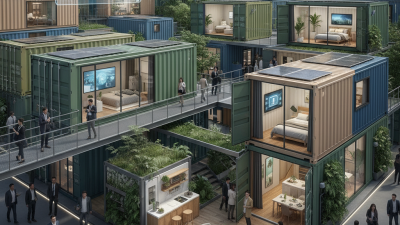
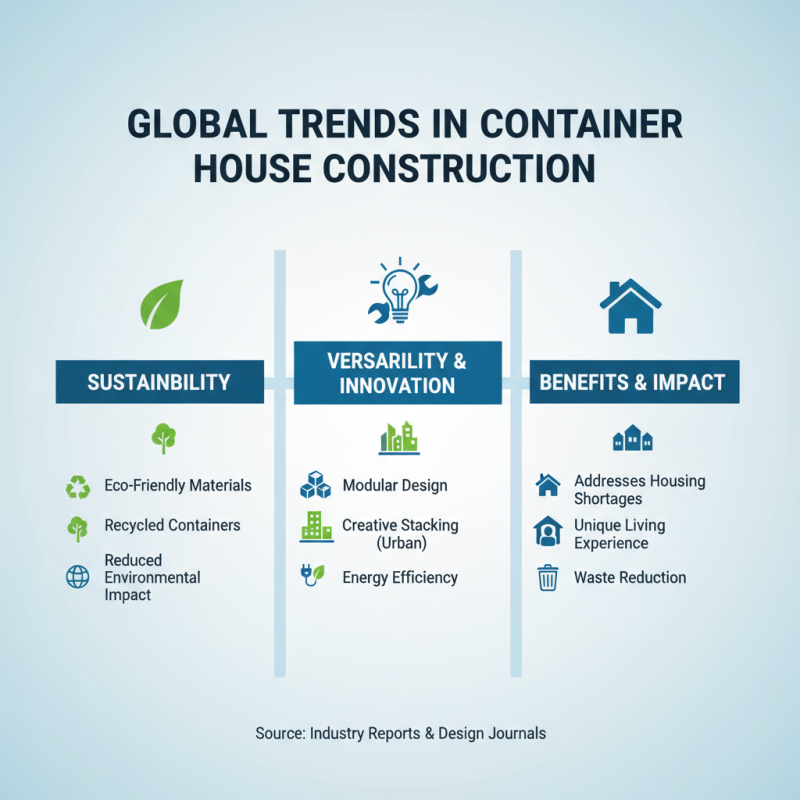
Container houses have gained popularity worldwide due to their sustainability and versatility. Designers are integrating eco-friendly materials and innovative techniques. These homes not only reduce waste but also promote energy efficiency. They are often constructed with recycled containers, minimizing environmental impact. In urban areas, container homes can be stacked or placed side by side to maximize space. This creative approach addresses housing shortages while giving homeowners a unique living experience.
Recent trends show that buyers are looking for customizable features in container homes. From garden roofs to large windows, personalization is key. Many designs highlight natural light and open spaces, creating an inviting atmosphere. However, not every design is flawless. Some may face issues with insulation and ventilation. Others might struggle with plumbing. These concerns remind us that even innovative solutions have room for improvement.
As more people embrace container living, the market will likely see more refined designs. Architects are experimenting with layouts and aesthetics, pushing the boundaries of traditional housing. The global interest is a testament to the adaptability and creativity of container home construction. It's clear that while container houses offer exciting possibilities, ongoing challenges must be addressed to meet buyers' expectations.
Top Design Firms Specializing in Container Homes
The popularity of container homes is surging, attracting attention from global buyers. Design firms specializing in container homes are playing a crucial role. According to a recent report from the Container Home Association, the market for container houses is expected to grow by 5% annually through 2025. This growth reflects a shift towards sustainable living and innovative housing solutions.
Many design firms are now exploring unique concepts. They are using repurposed materials and integrating green technologies into their designs. For example, some firms blend container housing with solar energy systems. This dual approach not only enhances energy efficiency but also reduces overall costs. A study conducted by the International Institute of Housing notes that container homes can reduce construction time by 30% compared to traditional homes.
However, some challenges exist. Not all designs meet local building codes or climate requirements. Buyers often need to invest extra time in research and customization. Flexibility in design also comes with its risks. A well-designed home may still face structural limitations. It's essential for buyers to engage with reputable design firms. This ensures that their unique needs and local regulations are effectively addressed. Achieving both functionality and aesthetic appeal is key in this evolving market.
Practical Considerations for Buyers of Container Houses
When considering the purchase of a container house, practical factors hold significant weight. Buyers should assess insulation options carefully. Proper insulation impacts energy efficiency and comfort. Various materials offer different thermal properties, making this choice crucial. Container houses can heat up quickly or retain cold air without proper insulation.
Examine site conditions before committing. Consider local climate, soil type, and land regulations. Each factor influences the construction process and long-term stability. Accessibility for delivery trucks is another essential consideration. Evaluate how site features affect home placement and landscaping.
Budgeting is vital for any project. Beyond purchase costs, factor in transport, installation, and utility setup. Unexpected expenses can escalate quickly. Understanding these aspects will help buyers prepare for the long term. Finally, always review the design options available. Balancing aesthetics with functionality is key, but some designs may not suit practical needs. Always seek feedback from those who have built or lived in container homes. Their experiences offer invaluable insights.
Top 10 Container House Designs for Global Buyers