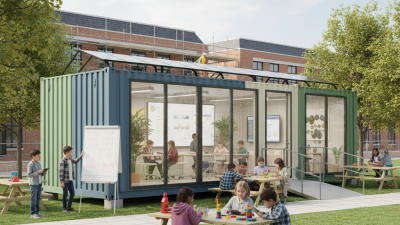
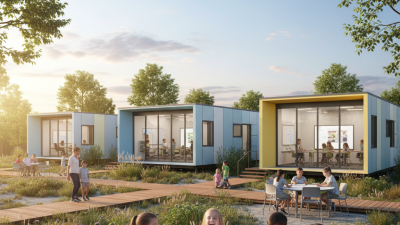
Top 10 Temporary Classrooms in China for Global Buyers?
Temporary classrooms are increasingly vital in today's evolving educational landscape. They offer flexible solutions for schools facing rapid growth or renovation challenges. In China, these classrooms have gained popularity among global buyers seeking efficient, cost-effective options.
China's education system often requires innovative approaches to accommodate its vast student population. Temporary classrooms can be customized to fit various needs. However, not all options provide the same level of durability or comfort. Buyers must carefully consider materials and designs for long-term usability.
While temporary classrooms address immediate needs, they also pose questions. How long can these structures effectively serve their purpose? Are they truly sustainable in the long run? These points highlight the importance of making informed decisions when investing in temporary educational spaces. Understanding the landscape is essential for global buyers navigating these choices in China.
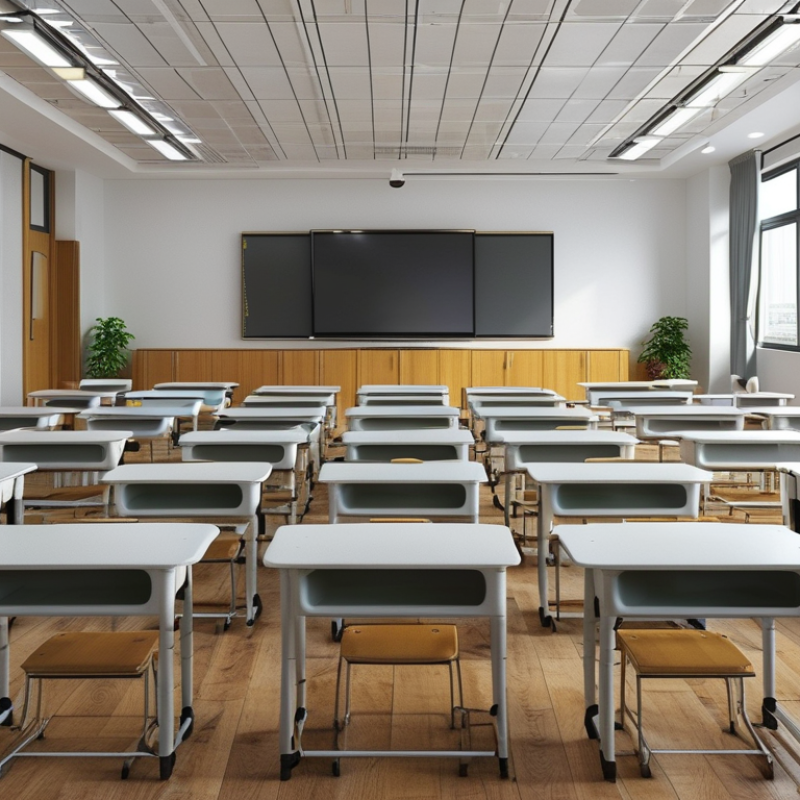
Overview of Temporary Classrooms in China
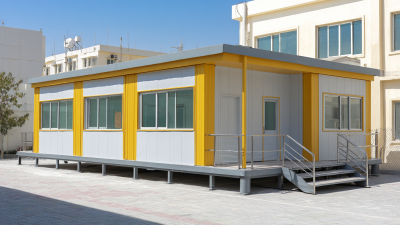
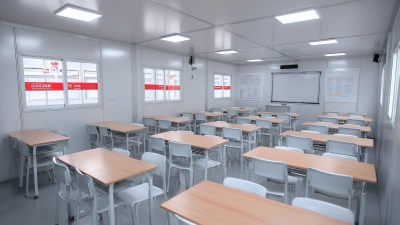
Temporary classrooms in China address urgent educational needs. These innovative solutions provide flexible learning spaces to communities impacted by natural disasters or rapid population growth. They are often deployed quickly, making them a reliable choice in unpredictable situations. Designs range from basic structures to more sophisticated environments with climate control.
The materials used for these classrooms vary. Many are prefabricated and can be set up in a matter of days. Despite their speed of construction, quality often suffers. Regular maintenance is crucial to ensure safety and comfort.
Some classrooms may become inadequate over time, requiring replacements or upgrades to meet educational needs. Stakeholders, including governments and NGOs, should evaluate the effectiveness of these temporary solutions. Feedback from users can drive improvements. Understanding the limitations is key to enhancing classroom designs.
A careful approach can lead to better outcomes for students and educators alike. Analyzing both successful and challenging cases will provide insight into sustainable future developments.
Key Features of Top Temporary Classroom Models
Temporary classrooms in China have gained popularity among global buyers due to their adaptability and cost-effectiveness. According to recent reports, the temporary classroom market is expected to grow by 8.5% annually, driven by urgent educational needs and infrastructure challenges. Key features of top classroom models include modular designs, sustainable materials, and rapid deployment capabilities.
The best temporary classrooms often utilize eco-friendly materials. Steel and polymer structures are prevalent due to their durability and light weight. Many models provide quick assembly, requiring only a few days for installation. Research indicates that portable classrooms can save up to 30% of construction time compared to traditional methods. However, quality control is essential to ensure these units meet safety standards. Some temporary classrooms face challenges with thermal insulation, impacting comfort during extreme weather.
Flexibility in layout is another critical feature. Schools can adapt spaces to different teaching styles. This is particularly useful for inclusive education, accommodating diverse learning needs. Yet, the transition from traditional classrooms may pose difficulties for students and educators alike. Addressing these concerns is vital for maximizing the effectiveness of temporary educational environments.
Comparison of Material and Design in Temporary Classrooms
Temporary classrooms have gained popularity in China due to their flexibility and cost-effectiveness. Different materials and designs cater to diverse needs. Steel, wood, and innovative composites are common choices. Each material has its advantages. Steel offers durability, while wood provides warmth and a natural feel.
Design also plays a crucial role. Modular structures allow easy assembly and disassembly. Many designs incorporate eco-friendly features. This sustainability aspect appeals to modern users. However, not every design meets the needs of all environments. Some classrooms lack adequate ventilation. Users may face challenges finding the right fit.
Consider these elements before choosing a temporary classroom. Focus on specific needs and local climate. Evaluate the construction quality and safety features. Don’t rush into decisions; thorough research is essential. While temporary classrooms can offer solutions, their effectiveness varies significantly. Always weigh the pros and cons carefully before making a choice.
Market Trends for Temporary Classrooms in China
The demand for temporary classrooms in China continues to grow. A recent report by the China Educational Equipment Association highlights a significant rise of 15% in the market over the last three years. This growth is driven by rapid urbanization and the urgent need for educational infrastructure. In regions where traditional classrooms are scarce, temporary solutions are both practical and necessary.
Environmental concerns also shape market trends. Many buyers seek classrooms made from sustainable materials. Reports indicate that eco-friendly temporary classrooms can reduce carbon footprints by up to 30%. However, challenges remain. Quality control is often inconsistent. Some units do not meet safety standards, raising concerns about their long-term viability. Buyers must be vigilant and conduct thorough inspections to ensure compliance with local regulations.
Innovation plays a key role. Features like modular design and flexible layouts are increasingly popular. These adaptations allow for easier relocation and modification. While the market is promising, it is essential for stakeholders to invest in research and development. Balancing cost with quality remains a critical issue. The future of temporary classrooms in China looks bright, yet it demands thoughtful consideration and continuous improvement.
Choosing the Right Temporary Classroom for Global Needs
When selecting a temporary classroom, understanding the specific needs of your situation is crucial. These spaces must provide a functional environment conducive to learning. Factors such as safety, durability, and accessibility should guide your choices. It's essential to consider the local climate as well. Different materials perform variably under different weather conditions.
Another aspect to reflect on is customization. Not all suppliers offer the same range of options. A flexible design can better accommodate diverse teaching methods. Think about how your classroom will be arranged. Will it be arranged for group work or individual study? Each setup requires unique considerations.
Looking for reliable suppliers who understand these aspects is critical. Reading reviews and seeking expert advice can inform your decisions. However, be cautious, as experiences can vary widely. Tests on different products can help in assessing quality. The decision-making process may reveal common pitfalls. Reflecting on your priorities will ultimately lead to a more effective learning environment.