Top 10 Benefits of Container House Ready for Global Buyers?
Container houses are transforming the housing market. With their sustainable design and affordability, they are gaining popularity globally. Jane Smith, a recognized expert in modular construction, states, “Container House Ready structures meet the needs of diverse buyers.” This emphasizes the versatility and readiness of container homes for a global audience.
The benefits of container houses are extensive. They offer quick construction times and innovative designs. Many people appreciate the eco-friendly aspect. Using recycled materials means a smaller carbon footprint. Despite their benefits, some buyers express concerns about insulation and condensation.
The Container House Ready trend signifies a shift in housing preferences. It appeals to younger generations seeking sustainable living options. As this movement grows, the industry must address valid concerns with technology and expertise. This dynamic field is ripe for exploration and improvement.

Advantages of Container Houses for Global Buyers
Container houses have become increasingly appealing to global buyers due to their unique advantages. First, these structures are eco-friendly. They repurpose shipping containers, significantly reducing waste. The materials can often be found locally, minimizing environmental impact. Many buyers appreciate this sustainable approach.
Affordability is another significant benefit. Container houses are often cheaper than traditional homes. The construction process is faster, allowing for quicker occupancy. Buyers can save on labor costs and materials. Those looking for a budget-friendly solution will find this option attractive.
However, potential buyers should consider some limitations. While container homes offer flexibility in design, the insulation may not always meet local climate needs. Buyers must evaluate their specific environment to ensure comfort. Overall, the appeal of container houses lies in sustainability, cost-efficiency, and adaptability.
Cost-Effectiveness of Using Shipping Containers in Construction
Using shipping containers for construction has gained popularity due to its cost-effectiveness. These containers are robust and durable, providing a solid foundation for various building types. They offer simplicity in design while maintaining structural integrity. The cost savings primarily come from the lower material expenses and quicker assembly time compared to traditional building methods. Local sourcing of containers reduces shipping costs and helps minimize environmental impact.
Another advantage is their adaptability. Containers can be modified to suit diverse needs, whether residential or commercial. This flexibility allows for creative architectural designs. However, it is essential to consider local building codes and regulations. Some regions may have restrictions on using containers. This can lead to potential delays or additional costs if not addressed upfront.
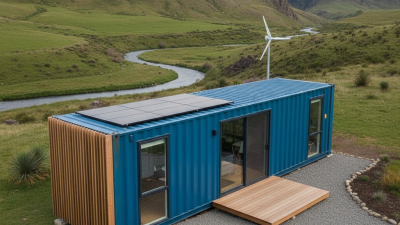
Integrating renewable energy solutions with container homes can further enhance their efficiency. Solar panels can be installed easily on the roof, reducing long-term energy costs. Yet, prospective buyers should evaluate their energy needs carefully. Not all designs accommodate these additions seamlessly. This reflection ensures that the final product aligns with user expectations and local environmental conditions.
Sustainability and Environmental Impact of Container Homes
Container homes have gained popularity due to their sustainability and minimal environmental impact. Using shipping containers as building blocks reduces the need for conventional materials. This approach promotes recycling and decreases waste in landfills. Additionally, container homes often feature energy-efficient designs, such as solar panels and green roofs. Such designs help reduce energy consumption and lower utility bills.
However, there are challenges to consider. Not all container homes are equally eco-friendly. The insulation and finishes used can affect their sustainability. It's essential to select non-toxic materials that comply with environmental standards. Moreover, some people may face hurdles in financing these homes, as traditional lenders may have limited understanding of their value. This can restrict accessibility for potential buyers.
Overall, the impact of container homes on sustainability is significant. They offer an alternative to conventional housing while addressing urgent environmental issues. While the benefits are numerous, potential homeowners should carefully evaluate materials and financing options. By making informed choices, they can contribute to a more sustainable future.
Top 10 Benefits of Container Homes
Flexibility and Versatility in Design and Layout Options
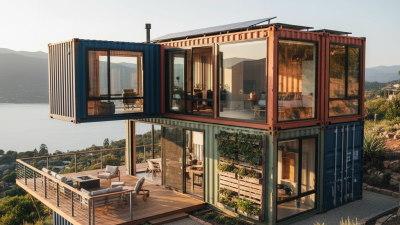
Container houses offer remarkable flexibility and versatility in design and layout options. They can be easily modified to fit various uses, from modern residences to creative offices. Reports indicate that customizing container dwellings can reduce construction timelines by up to 50%. This adaptability attracts global buyers looking for quick, efficient solutions.
Designing a container house allows for an array of layouts. Buyers can choose open spaces or segmented areas based on their needs. High ceilings and large windows can optimize natural light and air circulation. However, it’s essential to consider insulation and ventilation challenges, as poor planning may lead to discomfort in extreme weather conditions.
Consider using multi-functional furniture to maximize limited space. Foldable tables and expandable sofas can offer flexibility in smaller container homes. Incorporating sustainable materials can enhance both aesthetics and functionality. Many buyers overlook waste management systems, which require early planning for a seamless living experience. Balancing aesthetic appeal with practical considerations is vital for long-term satisfaction.
Speed of Construction: How Container Homes Can Save Time
Container homes are gaining popularity, particularly for their speed of construction. Using repurposed shipping containers can significantly shorten building timelines. Reports indicate that a container house can be assembled within weeks, compared to traditional homes that may take months. This efficiency is appealing to buyers needing quick solutions, especially in emergency situations or when facing economic constraints.
Building with containers involves less labor and fewer materials. For instance, a recent analysis suggested that the average construction time for a container home is about 30-50% less than traditional buildings. This time savings can translate to lower labor costs and quicker occupancy. It’s important to emphasize, though, that while speed is advantageous, proper planning and site preparation are crucial for achieving a successful build.
When considering a container home, think about pre-fabricated designs to save even more time. Many companies offer customizable options that speed up the process. Ensure the designs comply with local building codes; this oversight is vital to avoid delays later. Also, consider the potential need for insulation and utilities. These elements can impact construction speed and overall livability, so they shouldn’t be overlooked.