Top Tips for Choosing Prefab Classrooms for Your Needs?
Choosing the right prefab classrooms can significantly impact educational outcomes. These innovative structures offer flexibility and speed, essential for modern educational needs. However, they come with challenges that require careful consideration.
Each school has unique requirements. This means the choice of prefab classrooms must align with those specific needs. It's not merely about aesthetics or price. Factors like space, functionality, and durability play vital roles. Understanding your goals will guide you in making an informed decision.
Moreover, don’t overlook the importance of community input. Engaging teachers and students can reveal valuable insights. Their feedback may highlight overlooked aspects. Remember, no solution is perfect. Each choice has potential drawbacks. Reflecting on these can lead to better, more tailored decisions in your classroom selection process.
Factors to Consider When Selecting Prefab Classrooms
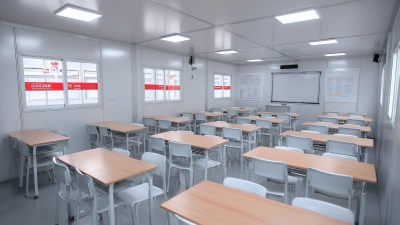
When selecting prefab classrooms, several key factors come into play. Space requirements are crucial. Measure the area available, ensuring enough room for activities. Consider the number of students and furniture. Accessible designs matter too. Classrooms should accommodate all learners, including those with disabilities.
Materials used in construction impact durability and safety. Look for quality building materials that can withstand various weather conditions. Different climates affect long-term use. Energy efficiency is worth considering as well. Opt for designs that utilize natural light and good insulation to reduce energy costs.
Logistics can be challenging. Think about transportation and installation needs. Prefab classrooms should be easy to assemble and dismantle. Communication with the supplier is essential. Understand the timelines involved to avoid delays. Sometimes, choices may lead to compromise. Reflecting on past decisions can help inform better selections in the future.
Top Tips for Choosing Prefab Classrooms for Your Needs - Factors to Consider When Selecting Prefab Classrooms
| Factor |
Description |
Importance |
| Size & Layout |
Consider the number of students and the specific layout requirements. |
High |
| Material Quality |
Evaluate the durability and sustainability of materials used. |
High |
| Cost |
Understand the full cost implications including installation and maintenance. |
Medium |
| Customization Options |
Look for flexibility in design to meet specific needs. |
Medium |
| Regulatory Compliance |
Ensure that the prefab units comply with local building codes. |
High |
| Installation Time |
Consider the time it will take to set up the classroom. |
Medium |
| Energy Efficiency |
Assess the energy efficiency features integrated into the design. |
High |
Understanding Different Types of Prefab Classroom Designs
Prefab classrooms come in various designs, each tailored to specific educational needs. Understanding these types is crucial for making the right choice. According to the Modular Building Institute, the demand for prefabricated structures has increased by 20% annually. This reflects the growing interest in flexible learning environments.
There are several popular designs in prefab classrooms. Modular units are the most common, allowing customization and expansion as needed. They can be equipped with modern technology and designed to fit various curricula. Portable classrooms, on the other hand, offer a temporary solution. They are ideal for schools under renovation or facing space constraints. Data shows that more than 60% of U.S. public schools have used portable classrooms at some point.
However, it's essential to consider potential downsides. Some reports indicate that quality control issues can arise with rapid construction methods. Ensuring that the chosen design meets safety and durability standards is vital. Budget constraints may also limit options, leading to compromises in quality or functionality. Therefore, exploring different designs while weighing their pros and cons is necessary for making an informed decision.
Evaluating Site Requirements for Prefab Classrooms
When evaluating site requirements for prefab classrooms, several factors are crucial. Understanding the land size is a key aspect. Ensure the area can accommodate both the classroom and any outdoor space needed. Assess the accessibility of utilities such as electricity and water. Without these, installation can become complex and costly.
Consideration of the local environment is equally important. Is the chosen site prone to flooding or other natural hazards? Such risks may require additional planning and structural reinforcement. Soil quality should also be evaluated. Poor soil conditions can complicate the installation process and affect stability.
Here are some tips to facilitate your decision. First, check local zoning regulations. Different areas have various rules regarding prefab buildings. Second, involve professionals in the planning phase. Their expertise can prevent future headaches. Lastly, ensure that the selected site offers sufficient natural light and ventilation. These factors improve the learning environment, promoting comfort and productivity.
Assessing Budget and Financial Options for Prefab Classrooms
When considering prefab classrooms, evaluating your budget and financing options is crucial. A recent study by the National Institute for Educational Statistics found that budget constraints impact over 30% of school decisions regarding temporary structures. This data highlights the importance of thorough financial planning.
Prefab classrooms can vary significantly in cost. The average price per square foot ranges from $100 to $200. Understanding your financial capacity is essential. Some educational institutions benefit from state and federal grants aimed at supporting alternative learning environments. These grants can alleviate the financial burden and allow for sustainable investment in quality education facilities.
It’s also important to consider long-term costs. Maintenance, utilities, and potential upgrades can add to your total expenditure. Many schools fail to assess these ongoing costs adequately, leading to budget overruns. Consider consulting with financial experts or utilizing educational finance reports to estimate total ownership costs effectively. Such insights will inform your decision-making and align your choices with your educational goals.
Ensuring Compliance with Local Regulations and Standards
When selecting prefab classrooms, adherence to local regulations is crucial. Many regions have strict guidelines governing construction standards. Non-compliance can lead to costly delays and fines. The National Institute of Building Sciences reports that about 60% of construction projects face regulatory challenges. It's vital to research and understand these regulations upfront.
Ensure that the prefab manufacturer provides documentation confirming compliance. This includes certificates for fire safety, accessibility, and structural integrity. Local education boards may have additional requirements. Meet these to avoid potential legal issues. In a recent survey, 70% of educators noted the importance of regulatory compliance in the decision-making process.
Here are some tips:
- Consult with local officials early.
- Review all documents thoroughly.
- Engage experts if necessary.
Lastly, understand that regulations may change frequently. Stay updated on modifications in building codes. Flexibility can lead to better solutions and alternatives as needs evolve.