Top Multiple Container House Trends for 2026 Canton Fair?
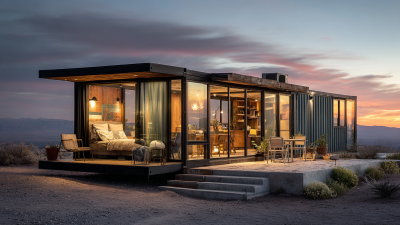
The upcoming 2026 Canton Fair is poised to highlight emerging trends in the Multiple Container House industry. This innovative construction method has gained traction as companies seek sustainable and cost-effective housing solutions. According to a 2023 market analysis, the global modular construction market is projected to grow at a rate of 6.5% annually, with container homes representing a significant segment.
During this year’s expo, industry experts will showcase advanced designs that maximize space and efficiency. For example, the use of eco-friendly materials and smart technology to enhance livability stands out. However, sustainability cannot be the sole focus. Challenges such as zoning laws and public perception still hinder widespread adoption of Multiple Container Houses.
AI-driven features at the Canton Fair will assist buyers in navigating these trends efficiently. With 1.55 million square meters of exhibition space, attendees can easily explore innovative container designs. Nonetheless, the industry must address consumer concerns about durability and climate resilience. Striking a balance between cutting-edge aesthetics and practical living is crucial for the future of container homes.
Emerging Designs in Container Homes for 2026 Canton Fair
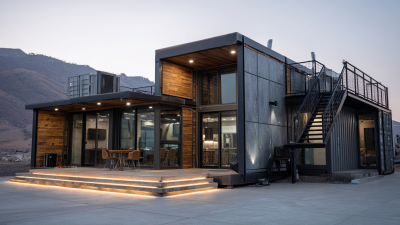
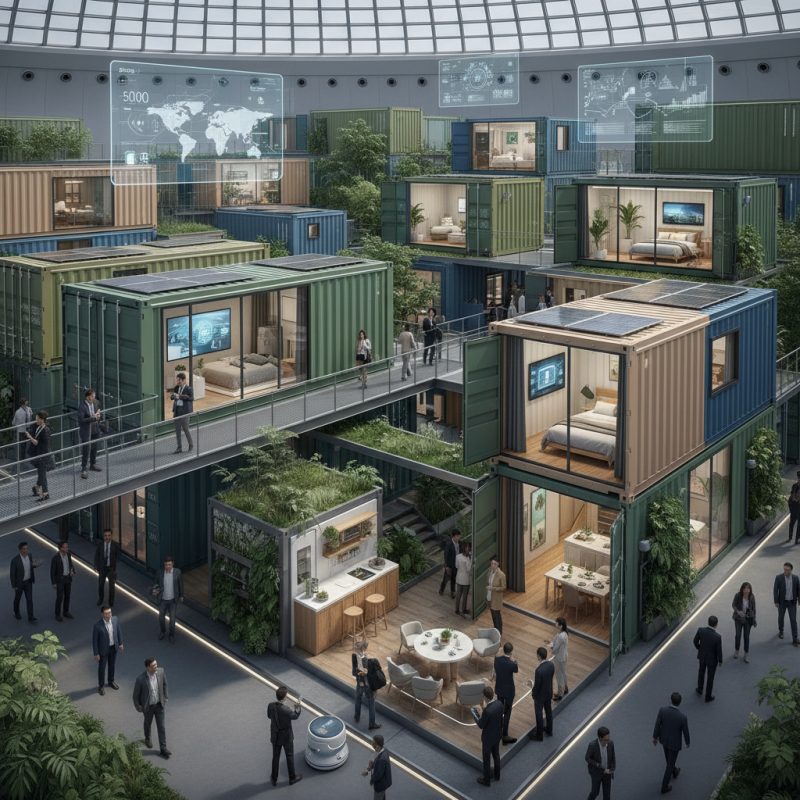
Container homes are gaining popularity, especially as we head toward the 2026 Canton Fair. Emerging designs show innovation and sustainability. Recent studies indicate that the container home market could reach $73 billion by 2026, driven by increasing demand for affordable housing and eco-friendly solutions.
One exciting trend is the integration of smart home technology. Features like automated lighting and energy management systems are becoming standard. These advancements offer convenience and efficiency. Sustainability is still at the forefront. Many homes incorporate recycled materials and energy-efficient designs. This appeal is not just aesthetic; it also addresses growing environmental concerns.
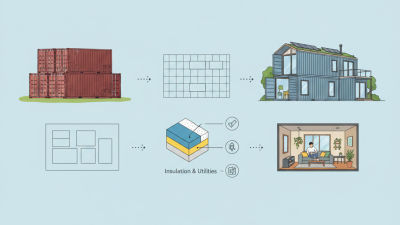
However, not all designs meet expectations. Some container homes lack adequate insulation. Poor designs can lead to high energy costs. Modular layouts are popular, yet many face challenges in maximizing space. Thoughtful design is essential. As we explore these emerging trends at the Canton Fair, focusing on quality will be crucial for future success.
Sustainable Materials: Eco-Friendly Choices for Container Houses
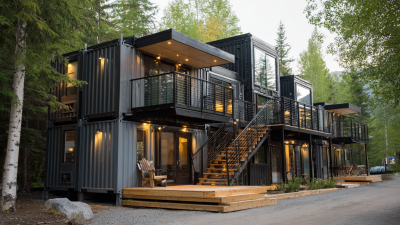
As the 2026 Canton Fair approaches, container houses are gaining attention. Sustainable materials are at the forefront of this trend. Eco-friendly choices are more than a trend; they are a necessity. Using recycled steel or bamboo can significantly reduce environmental impacts.
Building with eco-friendly materials often poses challenges. For example, sourcing local materials can be difficult. Aesthetic concerns also arise, especially when homeowners want a modern look. Yet, natural materials can create unique styles. Hempcrete and recycled glass are intriguing options. They offer insulation and beauty at the same time.
Moreover, considering the lifecycle of materials is crucial. Some products may promise sustainability but lack durability. It's important to assess how materials perform over time. Engaging with industry experts can aid in making informed decisions. Container houses show promise for eco-conscious living. Yet, the journey toward complete sustainability is still unfolding.
Innovative Space Solutions: Maximizing Functionality in Container Homes
The container home trend is rapidly evolving. Innovative designs focus on maximizing functionality while maintaining comfort. These homes are not just practical; they are versatile too. According to recent industry reports, container homes have seen a 20% increase in popularity over the last two years. They offer creative solutions for urban housing shortages.
Space optimization is essential in these homes. Features like foldable furniture and multi-purpose rooms are becoming standard. A study by the Container Housing Institute shows that homes can be up to 30% more efficient with smart design. However, the challenge lies in ensuring durability and aesthetic appeal. Some designs have faced criticism for prioritizing functionality over style.
Sustainability is another crucial consideration. As eco-friendly living gains traction, container homes are often hailed as green alternatives. Yet, the environmental impact of modifying containers remains debated. Thoughtful design can lead to significant energy savings. Yet, many builders overlook this aspect, resulting in wasted resources. Balancing efficiency with environmental responsibility is an ongoing struggle within the industry.
Top Multiple Container House Trends for 2026 Canton Fair
This chart illustrates the projected popularity trends of various features in container homes for the 2026 Canton Fair. As seen, Space Efficiency leads the trends, followed closely by Smart Home Features and Modular Designs.
Technological Advances in Container Housing: Smart Home Integration
The container housing trend is evolving. Smart home integration is at the forefront of this evolution. Imagine living in a space that responds to your needs. Advanced technology can control lighting, heating, and security with voice commands. This not only offers convenience but also promotes energy efficiency.
However, the integration is not without challenges. Not every container home is equipped for smart systems. Upgrading existing structures can be costly and complex. Homeowners may struggle with compatibility issues. Some technologies can feel overwhelming or intrusive. It’s important to find balance. Smart features should enhance, not replace, the cozy feel of home.
As container homes gain popularity, the need for innovation grows. New solutions must cater to diverse lifestyles. Incorporating technology shouldn’t sacrifice comfort. The ideal container home blends modern conveniences with personal touches. Homeowners need to reflect on their needs. Ultimately, a home should be a sanctuary. Smart technologies should support this vision without compromising it.
Top Multiple Container House Trends for 2026 Canton Fair - Technological Advances in Container Housing: Smart Home Integration
| Trend |
Description |
Expected Impact |
Technology Used |
| Sustainable Materials |
Incorporating recycled and eco-friendly materials into container homes. |
Reduced environmental impact, enhanced energy efficiency. |
Biodegradable composites, recycled steel. |
| Smart Home Features |
Integration of IoT devices for home automation. |
Increased convenience and energy savings. |
Smart sensors, voice control systems. |
| Modular Designs |
Flexible and customizable living spaces using modular units. |
Enhanced adaptability to various needs and environments. |
3D printing, prefabrication technologies. |
| Energy Efficiency |
Implementation of energy-efficient technologies and appliances. |
Lower utility costs and minimized carbon footprint. |
Solar panels, energy-efficient HVAC systems. |
| Portable Solutions |
Easy transport and setup of container homes. |
Increased accessibility for various living situations. |
Mobile foundations, lightweight materials. |
Market Trends and Consumer Preferences for Container Living in 2026
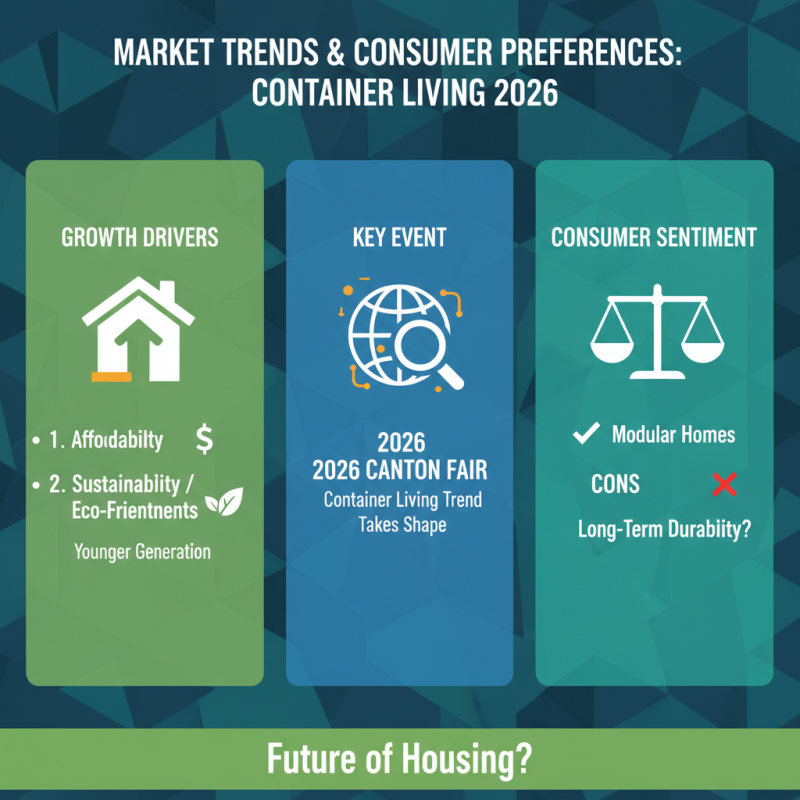
As we approach the 2026 Canton Fair, the container living trend continues to take shape. Consumers are drawn to modular homes due to their affordability and sustainability. This housing option resonates especially with the younger generation, who prioritize eco-friendliness. However, some remain skeptical, questioning the long-term durability of these structures.
Market preferences show a demand for customization. Buyers want unique designs that reflect their personality. Minimalist and functional aesthetics often attract attention. Yet, not every customization is effective. Overly complex designs can lead to higher costs and limit practicality. Consumers are aware of these pitfalls but still try to balance aesthetics and functionality.
Additionally, energy efficiency features are gaining popularity. Many people look for solar panels and advanced insulation. These additions resonate with environmentally conscious buyers. Still, integrating these features without compromising on style remains a challenge. The struggle is evident in prototypes displayed at trade shows. Designers must innovate while adapting to market needs, and this is no easy feat.