Why Choose a Flat Pack Container Office for Your Business Needs?
In today’s fast-paced business environment, efficiency and flexibility are crucial. Many companies are searching for innovative solutions. The **Flat Pack Container Office** has emerged as a popular choice for diverse business needs.
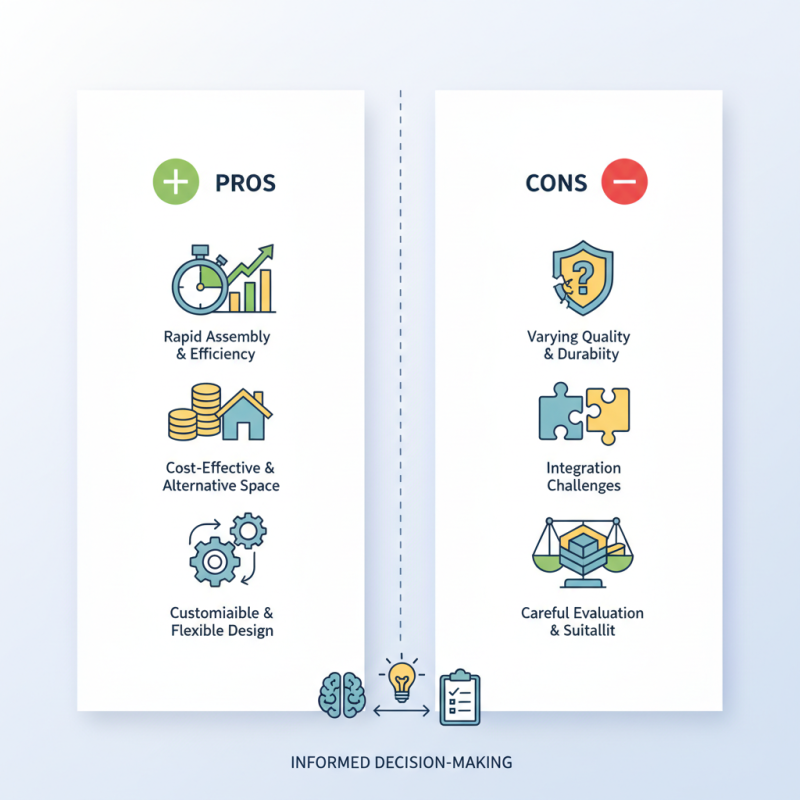
These modular structures can be assembled quickly. They offer a cost-effective alternative to traditional office spaces. With options for customization, businesses can tailor aspects to their specific requirements. The convenience of transport and rapid assembly cannot be overstated. However, it’s essential to consider potential challenges. Not all flat pack solutions are created equal, and quality can vary significantly.
In essence, investing in a **Flat Pack Container Office** can bring substantial benefits. Yet, careful evaluation is necessary to ensure the best fit for each unique business context. Balancing pros and cons is essential for informed decision-making.
Benefits of Using a Flat Pack Container Office for Businesses
Choosing a flat pack container office for your business brings numerous benefits. These offices offer flexibility in design and functionality. They can be configured to meet different needs, whether you require a workspace, meeting area, or storage. Their modular nature allows easy relocation. This adaptability is essential for growing businesses.
One major advantage is cost-effectiveness. Flat pack container offices are generally cheaper than traditional structures. They require less time for setup and minimal site preparation. While they are a practical choice, businesses should consider long-term needs. These offices can feel temporary, and some may not like that aspect.
Reflect on whether you need permanence or flexibility.
Tips: Customize your container office to fit your brand. Use colors and designs that reflect your company's identity. Incorporate natural light with windows. Also, evaluate the insulation for comfort year-round. Even a minor investment in aesthetics can enhance employee satisfaction. Create a space that inspires productivity.
Cost-Effectiveness of Flat Pack Container Offices Compared to Traditional Options
Flat pack container offices have become a popular choice for many businesses. Their cost-effectiveness is a key advantage over traditional office spaces. Unlike brick-and-mortar buildings, these modular offices require less labor and time to set up. This can lead to significant savings in both construction costs and downtime.
Moreover, flat pack offices are often more adaptable. They can be expanded or modified easily to suit changing business needs. This flexibility may reduce long-term expenses associated with relocation or renovations. However, it is essential to consider local zoning laws and site preparation costs, which can add unexpected expenses.
While these container offices are attractive for their price, quality should not be overlooked. Some may experience issues such as insulation or ventilation problems. Businesses should conduct thorough research and consult experts to ensure proper installation. Balancing cost and quality is crucial when investing in a flat pack container office.
Cost-Effectiveness Comparison: Flat Pack Container Offices vs Traditional Office Spaces
This chart illustrates the average setup costs associated with Flat Pack Container Offices compared to Traditional Office Spaces. As shown, the Flat Pack option offers significant savings, making it a cost-effective choice for businesses looking to optimize their expenditure.
Flexibility and Customization Options for Flat Pack Container Offices
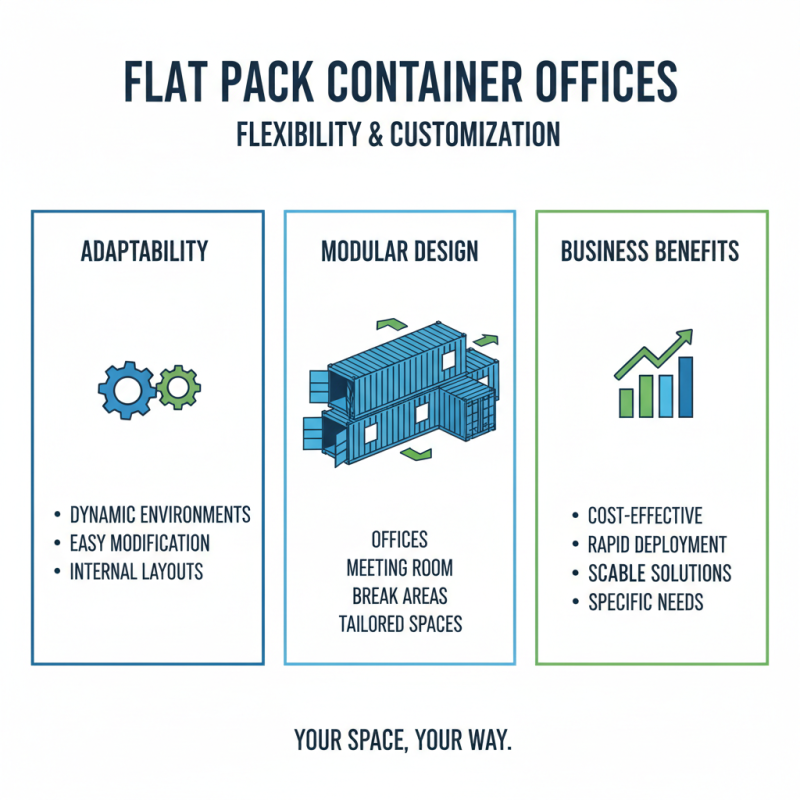
Flat pack container offices offer remarkable flexibility and customization options. This adaptability is essential for businesses facing dynamic environments. Companies can easily modify the internal layout to suit their specific needs. Each container can include offices, meeting rooms, or break areas, tailored to the business's requirements.
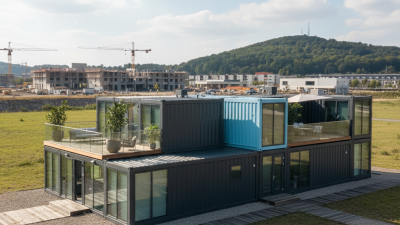
The exterior of flat pack offices can also be customized. Various colors and finishes allow businesses to reflect their brand identity. These containers can be stacked or aligned to create larger workspaces. Space limitations are less of an issue, especially in urban settings. The quick assembly reduces downtime during relocations.
However, it is important to recognize potential challenges. Customizing a flat pack container takes planning and time. Unexpected costs might arise during the construction process. Ensuring the containers meet local regulations adds another layer of complexity. These factors should be weighed carefully against the advantages of using flat pack offices.
Quick Assembly and Mobility Advantages of Flat Pack Container Offices
Flat pack container offices offer a remarkable solution for businesses seeking quick assembly and mobility. These offices come in sections, allowing for easy transportation. You can set them up in various locations without extensive groundwork. This flexibility is particularly valuable for businesses that need to adapt to changing circumstances. Imagine being able to relocate your office in just a few hours.
Their modular design also makes them easy to customize. Businesses can rearrange internal layouts based on their current needs. However, some may find it challenging to incorporate aesthetic elements or personal touches. These offices can sometimes feel generic or impersonal. Yet, with creativity, companies can transform them into functional, inviting spaces.
Mobility is a game-changer in today’s fast-paced environment. Businesses may need to move for better opportunities. Flat pack offices allow for this agility without the hassle of traditional office relocation. Still, the dependence on transportation logistics must be considered. Both time and cost can vary widely based on distance and local regulations.
Why Choose a Flat Pack Container Office for Your Business Needs?
| Feature |
Advantages |
Considerations |
| Quick Assembly |
Ready to use within hours |
May require skilled labor for setup |
| Mobility |
Easily relocatable as needed |
Transport costs may vary |
| Cost-Effectiveness |
Lower initial investment compared to traditional buildings |
Maintenance costs should be evaluated |
| Customizability |
Can be tailored to specific business needs |
Customization may increase costs |
| Sustainability |
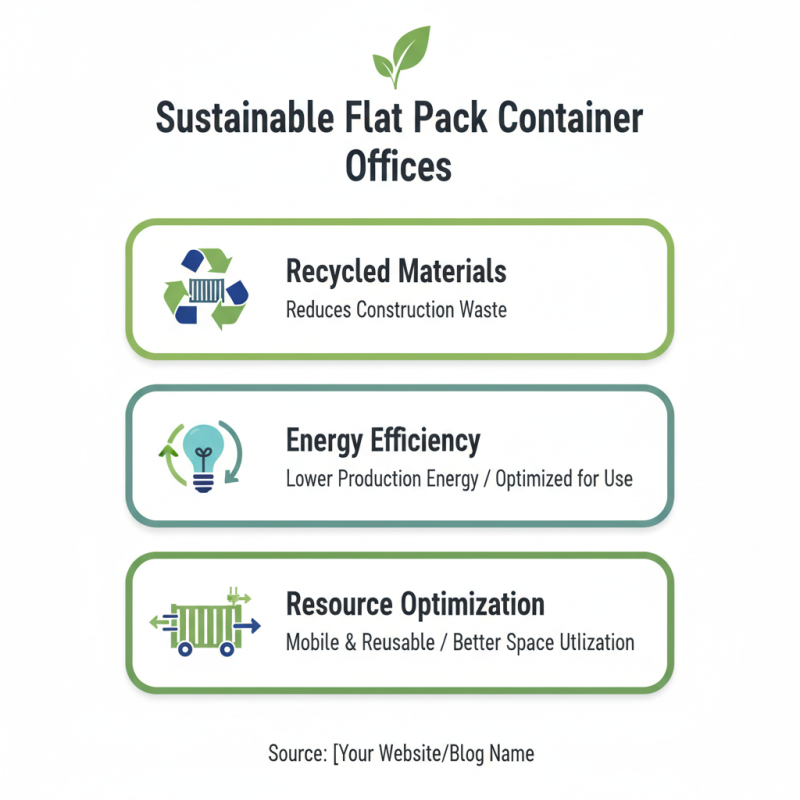
Promotes eco-friendly practices by using recycled materials |
Environmental impact depends on materials used |