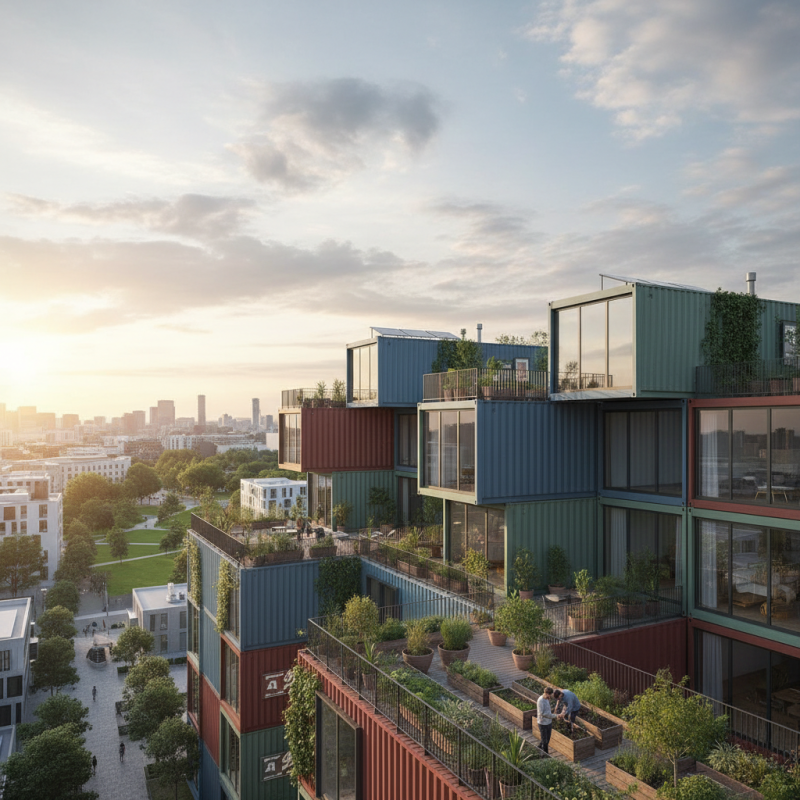
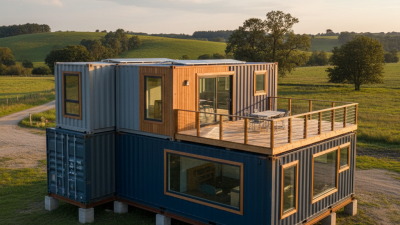
What is a Container House and How is it Revolutionizing Modern Living?
The concept of a Container House is transforming modern living. These innovative structures use shipping containers as building blocks. According to a 2022 report by the Container Housing Alliance, the global market for container homes is projected to grow by 10% annually.
Container Houses offer affordable housing solutions. They can be built quickly and efficiently. However, they may lack the traditional charm of regular homes. Some homeowners face challenges in insulation and ventilation. A study by the National Association of Home Builders noted that 30% of container home owners reported issues with moisture control.
Despite the challenges, the benefits are clear. Container Houses are eco-friendly, often made from recycled materials. They can be uniquely customized to meet individual needs. As urban areas continue to face housing shortages, Container Houses may play a crucial role in sustainable urban development.
What Defines a Container House? Key Features and Design Principles
Container houses are gaining popularity due to their unique characteristics. These structures are made from repurposed shipping containers, offering sustainable living options. They often feature strong steel frames, providing durability and resilience. Their modular design allows for easy customization, adapting to various needs and aesthetics.
A key aspect of container houses is their energy efficiency. Many incorporate solar panels and energy-saving appliances. This reduces utility bills and environmental impact. Natural light is emphasized through carefully placed windows, enhancing the living experience. However, challenges exist. Insulation can be tricky and may require additional investment. Proper ventilation is crucial to prevent condensation and ensure comfort.
The flexibility of container houses extends beyond design. They can be strategically placed on various terrains, making them suitable for diverse locations. This adaptability is appealing but can lead to zoning issues or unexpected costs. Buyers should research local regulations before purchase. While container houses provide innovative solutions, careful planning is essential to maximize their potential.
Container House Features and Popularity Trends
Eco-Friendliness of Container Homes: Sustainable Living Statistics
Container homes are gaining popularity as a sustainable living option. They are built from recycled shipping containers, which reduces waste in landfills. According to a 2022 study by the Environmental Protection Agency, over 23% of landfill waste comes from construction materials. By reusing containers, builders can help minimize this issue.
Statistics show container homes can consume less energy. A report from the U.S. Department of Energy indicates that these homes can lead to a 35% reduction in energy use compared to traditional houses. The ability to add insulation enhances their energy efficiency. However, location and design can greatly influence energy savings. Some designs lack adequate sunlight, leading to higher heating needs in colder months.
The initial cost of container homes can be misleading. They might seem cheaper, but additional modifications are often necessary. A National Association of Home Builders report highlights that many buyers underestimate renovation costs. Many container homes require special foundations or structural reinforcements. These additional expenses can challenge the eco-friendly narrative. Balancing sustainability with practical considerations requires careful planning.
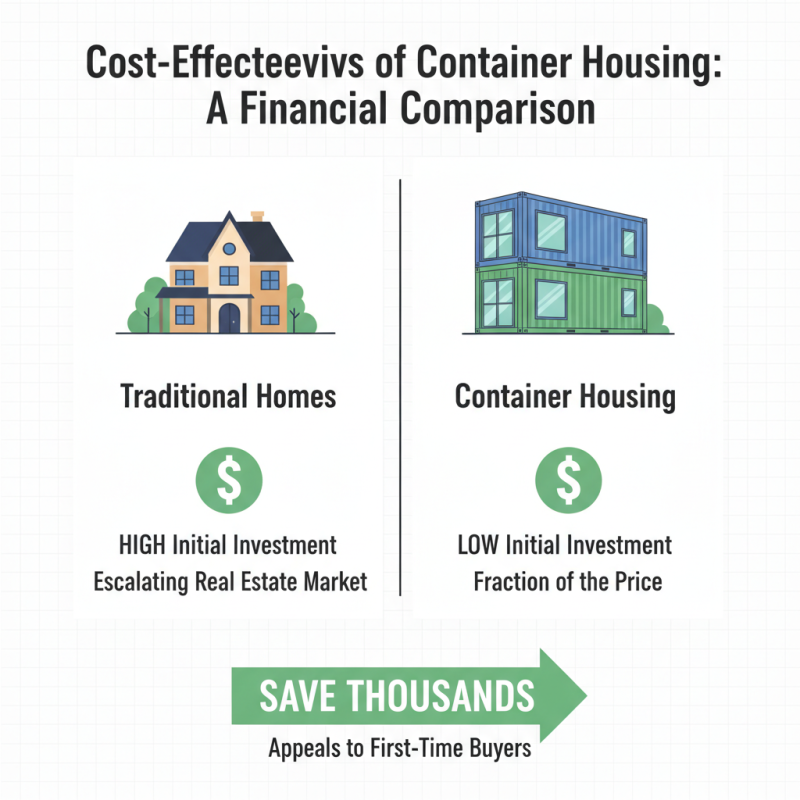
Cost-Effectiveness of Container Housing: A Financial Comparison
Container housing is gaining popularity for its cost-effectiveness. A standard container can be purchased for a fraction of the price of traditional homes. This affordability appeals to many who are struggling with the escalating real estate market. The initial investment can save homeowners thousands, making it an attractive option for first-time buyers.
One key advantage is the reduced construction time. With container houses, many structures can be assembled in weeks rather than months. This swift process minimizes labor costs and speeds up the time to move in. However, this method is not without its challenges. Regulations can vary significantly from one location to another. Some areas require extensive modifications, which can increase expenses.
Additionally, the resale value of container homes can be uncertain. While some appreciate their unique charm, others may see them as temporary or unconventional. It's essential to consider the long-term implications of such a choice. Personal preferences and regional trends can heavily influence market value. Exploring these factors is vital for anyone considering this modern living solution.
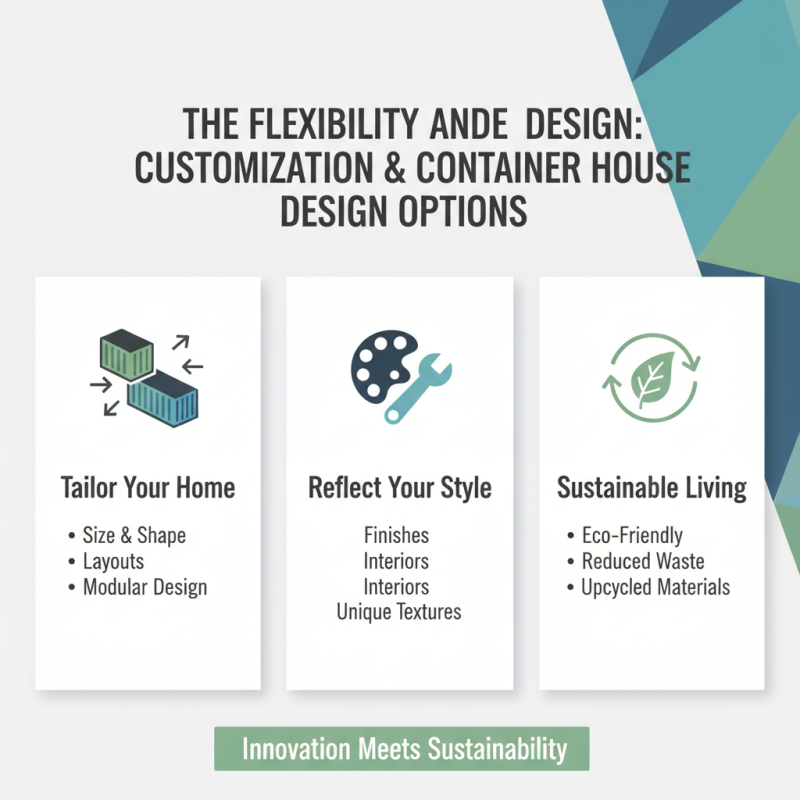
The Flexibility and Customization in Container House Design Options
Container houses offer a unique approach to modern living. Their design options provide homeowners with unmatched flexibility and customization. You can choose the size, shape, and layout that best fits your needs. With various finishes and interiors, a container house can reflect personal style. People appreciate the eco-friendly aspect too. Reusing shipping containers gives life to innovative homes while reducing waste.
Tips: Think about the local climate when designing your container home. Insulation and ventilation play key roles. A well-insulated space improves comfort and stability.
Customization doesn’t just stop with layout. Interior designs can range from minimalist to luxurious. You can play with colors, lighting, and furniture arrangements. However, be mindful of structural limits. Adding heavy fixtures might compromise safety.
Incorporating outdoor spaces is also crucial. A deck or garden can enhance your living experience. But remember, space is limited in container homes. Careful planning is essential to utilize every square foot effectively.
Global Trends: Adoption Rates and Future Projections for Container Homes
Container homes are gaining popularity worldwide. They offer an innovative solution to housing shortages. As urban areas grow, more people seek affordable and durable living spaces. Trends indicate that the adoption of container houses is increasing, particularly among younger generations.
Cities are leading this trend. They face high housing costs and limited space. Container homes provide a flexible option that can be designed to fit small plots. Investors are also exploring this market due to its potential for sustainability. The future looks promising, with projections for even greater growth in the coming years.
Tips: Consider location carefully. Urban settings may demand more adaptability. Research zoning laws before starting a project. Also, customization is key. Many builders now offer design options tailored to personal preferences. A well-thought-out plan can help avoid challenges down the road. Embrace creativity to fully harness the potential of container living. This can transform typical housing into unique, appealing homes.