Why Choose Container Homes for Sustainable Living Solutions?
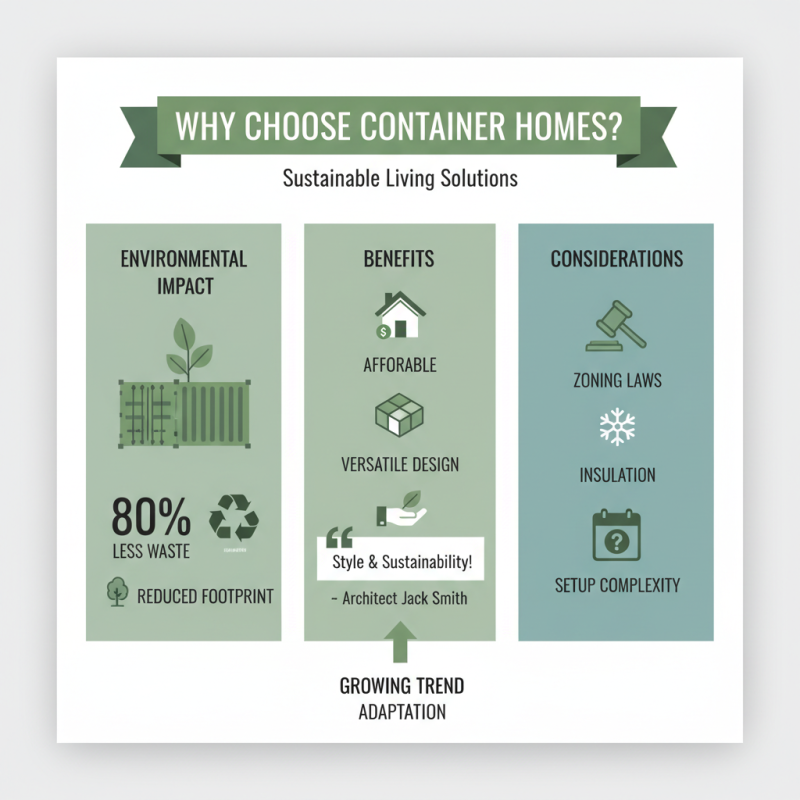
As the global demand for sustainable living solutions rises, the concept of "Container Homes" has gained significant traction. According to a 2022 report by the Council on Environmental Quality, building with shipping containers can reduce construction waste by 80%. This innovative approach not only minimizes the environmental footprint but also offers affordability and versatility.
Expert architect Jack Smith, a prominent figure in the container home industry, states, "Container Homes provide a unique opportunity for eco-conscious living without sacrificing style." His perspective underscores the balance between sustainability and aesthetic appeal that many homebuyers seek.
However, it's essential to consider challenges. While Container Homes are cost-effective, the initial setup can be complex. Potential homeowners must navigate zoning laws and insulation requirements, which can cause delays. Despite these hurdles, the growing popularity of Container Homes reflects a shift towards more sustainable living practices. As this trend evolves, continual learning and adaptation will be necessary for both builders and homeowners alike.
Benefits of Container Homes for Sustainable Living
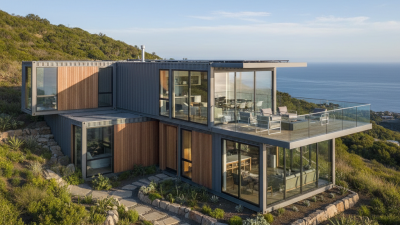
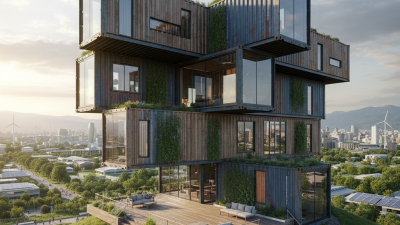
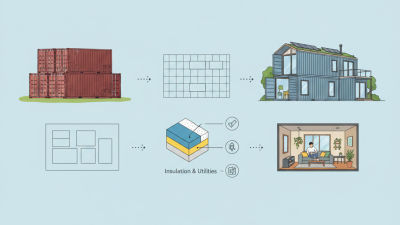
Container homes are gaining attention as sustainable living solutions. These structures offer numerous benefits, making them an attractive option for eco-conscious individuals. First, they are constructed from repurposed shipping containers, significantly reducing waste. This approach promotes the idea of recycling and minimizes the demand for new building materials. Additionally, container homes can be energy-efficient. They can be outfitted with solar panels, green roofs, and high-quality insulation to reduce energy consumption.
When considering a container home, think about the layout carefully. Design it to maximize natural light. Large windows can reduce the need for electric lighting during the day. Utilize modular designs to simplify construction and maintenance. Remember that a well-planned space can enhance comfort and functionality.
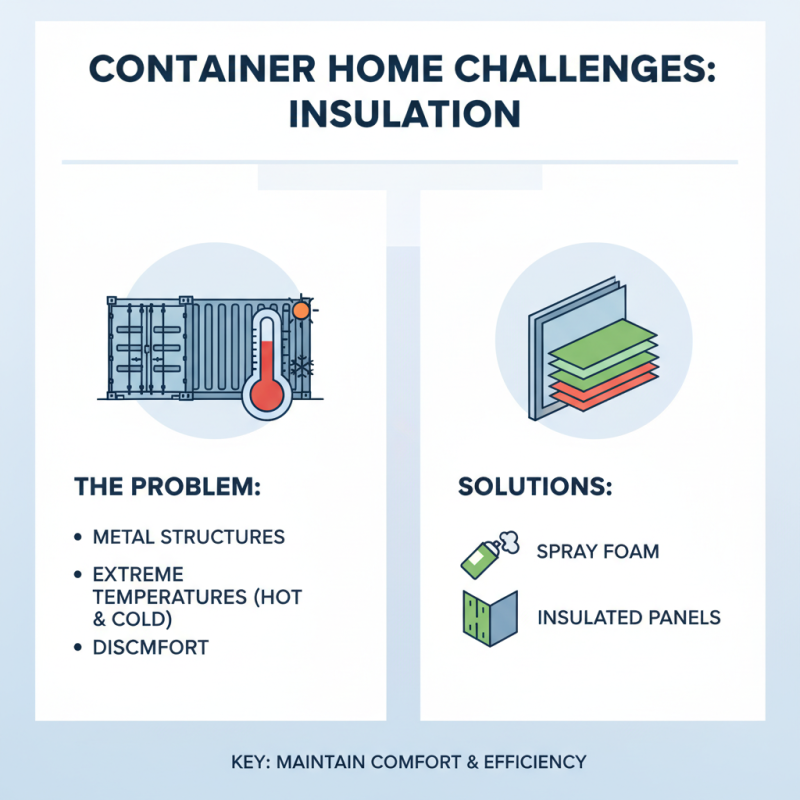
However, there are challenges to consider. Container homes may face zoning and building code hurdles. Not every location allows these structures. Insulation also requires careful selection to ensure comfort in various climates. It's essential to research local regulations and seek expert advice to navigate these issues effectively.
Design Flexibility and Customization Options in Container Homes
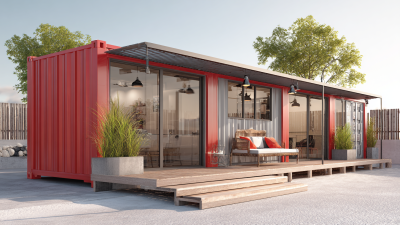
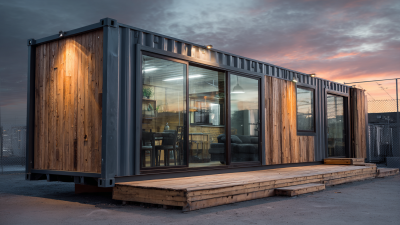
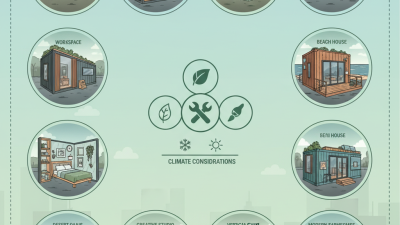
Container homes offer remarkable design flexibility and customization options, making them ideal for sustainable living solutions. They can be adapted to various lifestyles, from minimalistic to luxurious. You can choose your layout, colors, and materials. This approach allows everyone to create a unique dwelling that reflects personal values and aesthetics.
Tips: Consider using recycled materials for interiors. This not only lowers costs but also promotes sustainability.
Transforming a shipping container into a home is not just a trend—it’s a movement. Many people appreciate the eco-friendly benefits of using repurposed materials. However, it requires careful planning. Ensure your design fits local regulations, which can sometimes be limiting. Assess the potential for natural light and ventilation in your space.
Tips: Always test furniture arrangements before finalizing layouts. This helps to avoid unnecessary adjustments later.
Moreover, customization can lead to challenges. Balancing budget constraints with personalized features might be tricky. It’s crucial to prioritize what matters most. Keep your core needs in focus while exploring creative possibilities. Embrace the uniqueness of container homes—they stand out for their innovative spirit and commitment to sustainability.
Cost-Effectiveness of Container Homes Compared to Traditional Housing
Container homes present a cost-effective alternative to traditional housing. They are generally more affordable due to their modular design. On average, constructing a container home can cost 30% less than conventional homes. This affordability is attractive for young families and first-time homeowners.
Building with containers often requires less material, reducing overall expenses. It also allows for creative designs, which can make the home aesthetically pleasing while staying budget-friendly. However, not all areas are suitable for container homes. Local zoning regulations can impact your options.
Tips: Research your local building codes. They can save you time and money. Consider purchasing a used container. This can further reduce costs. Ensure proper insulation for year-round comfort. Container homes can also lead to lower utility bills due to energy efficiency.
Investing in container homes means considering long-term value. While you might save initially, potential resale value can vary. It's essential to understand your market. Container homes are still gaining popularity, so local demand may fluctuate.
Why Choose Container Homes for Sustainable Living Solutions? - Cost-Effectiveness of Container Homes Compared to Traditional Housing
| Criteria |
Container Homes |
Traditional Homes |
| Initial Cost |
$10,000 - $50,000 |
$100,000 - $300,000 |
| Average Time to Build |
1 - 3 months |
6 - 12 months |
| Energy Efficiency |
High |
Variable |
| Environmental Impact |
Low (recycled materials) |
Moderate to High |
| Maintenance Costs (Annual) |
$500 - $1,000 |
$2,000 - $5,000 |
| Longevity |
30+ years |
50 - 100 years |
Environmental Impact: How Container Homes Promote Sustainability
Container homes are emerging as a viable solution for sustainable living. Their construction often utilizes repurposed shipping containers, significantly reducing waste. According to the United Nations, approximately 2.1 billion tons of waste are produced globally each year. Container homes help mitigate this issue by reusing materials that would otherwise contribute to landfills.
Energy efficiency is another critical aspect. A study by the U.S. Department of Energy noted that sustainable housing can reduce energy use by 30% to 50%. Container homes, with their compact size and efficient insulation, can lead to lower energy consumption. However, not all designs optimize energy efficiency, and builders should be cautious about thermal performance.
Water usage can also improve with container homes. The integration of rainwater harvesting systems can reduce the dependency on municipal water supplies. A 2021 report from the World Resources Institute highlighted that urban areas could save up to 50% on water usage with innovative designs. Yet, ensuring these systems are properly maintained often poses challenges. Balancing the benefits with potential drawbacks allows more informed decisions in sustainable living.
Environmental Impact of Container Homes vs. Traditional Homes