How to Choose the Best Container Home for Your Needs?
Container homes have gained popularity due to their unique design and sustainability. Experts in the industry, like Michael D. Smith, state, "Choosing the right container home is crucial for long-term satisfaction." This highlights the significance of thoughtful selection in this housing trend.
When considering a container home, many factors come into play. You should evaluate your lifestyle needs, budget, and aesthetic preferences. The versatility of container homes allows for creative designs, yet this flexibility can lead to overwhelming choices. A clear vision will help navigate these options effectively.
Some common mistakes include underestimating space requirements or overlooking local regulations. Each region has specific guidelines that can affect your project. Research and planning are vital, as these decisions greatly impact your container home's functionality and comfort. Reflecting on your needs is essential for a successful living experience.
Factors to Consider When Choosing a Container Home
Choosing the right container home involves careful consideration of several factors. Size and layout are fundamental. For instance, many buyers prefer a minimum of 160 square feet for a tiny living space. This size ensures comfort and functionality without feeling cramped. The average container home can range from 20 to 40 feet long. It's essential to measure your needs against available options.
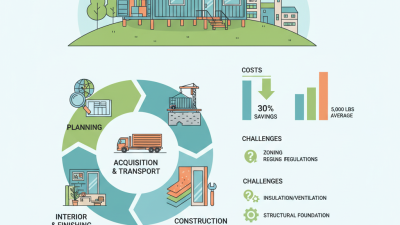
Another key factor is insulation. Reports indicate that insulation can significantly impact energy efficiency. Proper insulation can reduce heating costs by 20-30%. Many homeowners underestimate the importance of this. A well-insulated container home can provide a comfortable environment year-round. Local climate plays a vital role in insulation choices.
Lastly, local building codes and regulations must be considered. Each region has specific requirements. In some areas, container homes may face restrictions. Without proper permits, your dream home could become a nightmare. It’s essential to consult with local authorities before making a purchase. Each detail counts in creating a sustainable and compliant living space.
Assessing Your Space and Layout Requirements
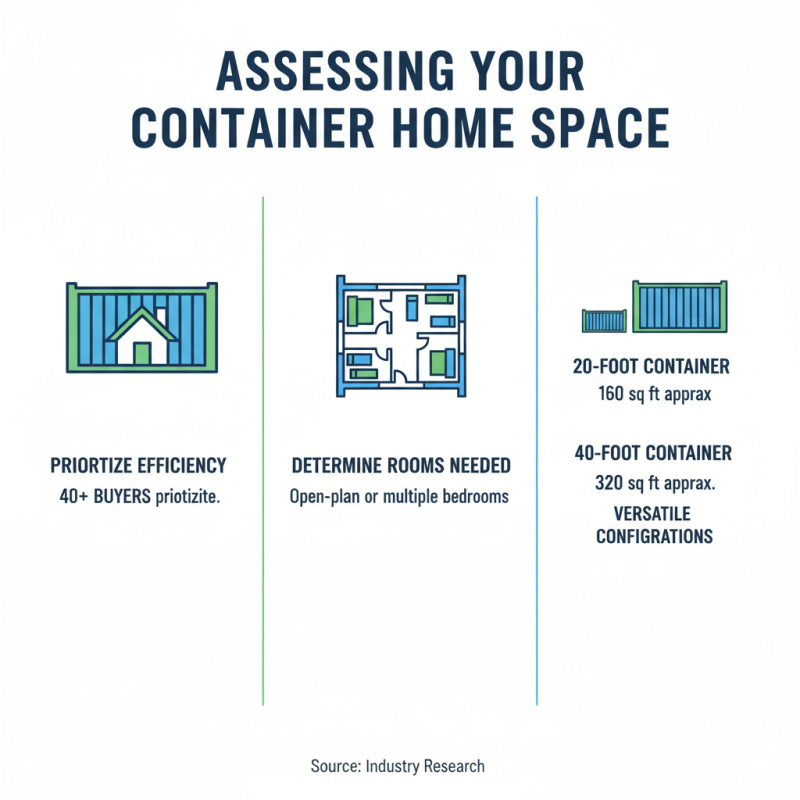
When choosing a container home, evaluating your space and layout requirements is critical. Research shows that over 40% of container home buyers prioritize efficient use of space. Understanding how many rooms you need will inform your design choices. Standard shipping containers come in 20-foot and 40-foot lengths, offering various configurations. A 40-foot container provides 320 square feet of interior space. This versatility allows for creative layouts that can include open-plan living or even multiple bedrooms.
Consider how you will use each area. Will you need open spaces for socializing or distinct rooms for privacy? Data from the Container Home Marketplace indicates that customizations are on the rise, with 60% of buyers opting for modular designs. Open spaces can enhance light and airflow, while defined rooms can offer a sense of security. However, blending both styles often requires careful planning, which may demand professional input.
Moreover, evaluate your site. The slope of your land impacts layout and building stability. If your land is uneven, it may require additional foundation work. An estimated 30% of container home projects face challenges due to poor site assessments. Detailed measurements and architecture consultations can prevent costly adjustments later. Making informed decisions about space can dramatically improve your living experience in a container home.
Understanding Container Types and Their Features
When it comes to choosing a container home, understanding the different types of containers is crucial. Shipping containers are a popular choice, as they are sturdy and versatile. They come in various sizes, typically from 20 feet to 40 feet long. Each size offers unique opportunities for layout and design.
There are two main types of shipping containers: standard and high-cube. Standard containers have a height of about 8.5 feet, while high-cube containers provide an additional foot in height. This extra space can be invaluable for creating loft areas or accommodating taller furniture. Consider what your specific needs are. Do you require more vertical space, or is a standard size sufficient?
Beyond size, it’s important to assess the container's condition. Used containers may show signs of wear, such as rust or dents. A thorough inspection is vital. These imperfections may not affect structural integrity but can impact aesthetics and insulation. Reflect on what compromises you are willing to make. Would you prefer a container that needs more work but is cheaper? Each option comes with its pros and cons, so weigh them carefully.
Evaluating Budget and Financing Options
When choosing a container home, budget and financing are crucial factors. Reports indicate that the average cost of a container home can range from $10,000 to $50,000, depending on size and customization. An important step is to evaluate your financial situation. Certain lenders offer specialized loans for alternative homes, including container homes. Researching these options can save time and money.
Tips for financing: Start by assessing your credit score. A higher score can secure better loan rates. Look for local banks or credit unions that understand container homes. They may offer tailored financing solutions that national lenders do not. Don’t overlook potential hidden costs, like land preparation or utility connections.
Understanding your budget is essential. Building a container home often requires additional expenses for insulation and amenities. Reports suggest that many buyers underestimate these costs. Consider creating a detailed budget that includes all foreseeable expenses. Compare your financial options thoroughly. Knowing your limits can prevent financial strain later on.
Legal Regulations and Zoning for Container Homes
When considering a container home, understanding legal regulations and zoning laws is crucial. Local authorities often have specific rules governing the placement and construction of container homes. These regulations can determine where you can build, how your container can be modified, and whether you need permits. It’s essential to research your local zoning codes thoroughly. Every city has different requirements, and ignorance could lead to complications.
Designing a container home may sound simple. However, this simplicity can mask complications. Some areas may not allow container homes in residential zones. This regulation could force you to spend time and resources looking for suitable land. Additionally, building codes can dictate the types of modifications allowed. Ensuring that your design aligns with local standards is vital for avoiding fines or demolition orders in the future.
Consulting with professionals in the field is advisable. Architects familiar with container homes can help navigate the legal landscape. They can provide insights into the intricacies of your specific location. However, some may not fully consider the challenges of your project. Be prepared for setbacks and continuous adjustments in your plans. Engaging with local building officials early in the process can also clarify expectations. This proactive approach may save you time and money down the road.
Container Home Zoning Regulations by Region