How to Choose the Best Living Container House for Your Needs?
Choosing the right Living Container House can significantly impact your lifestyle. Expert architect Julia Mason, known for her work in eco-friendly design, once said, "A well-chosen container home can blend comfort with sustainability." Understanding your needs is crucial in this journey.
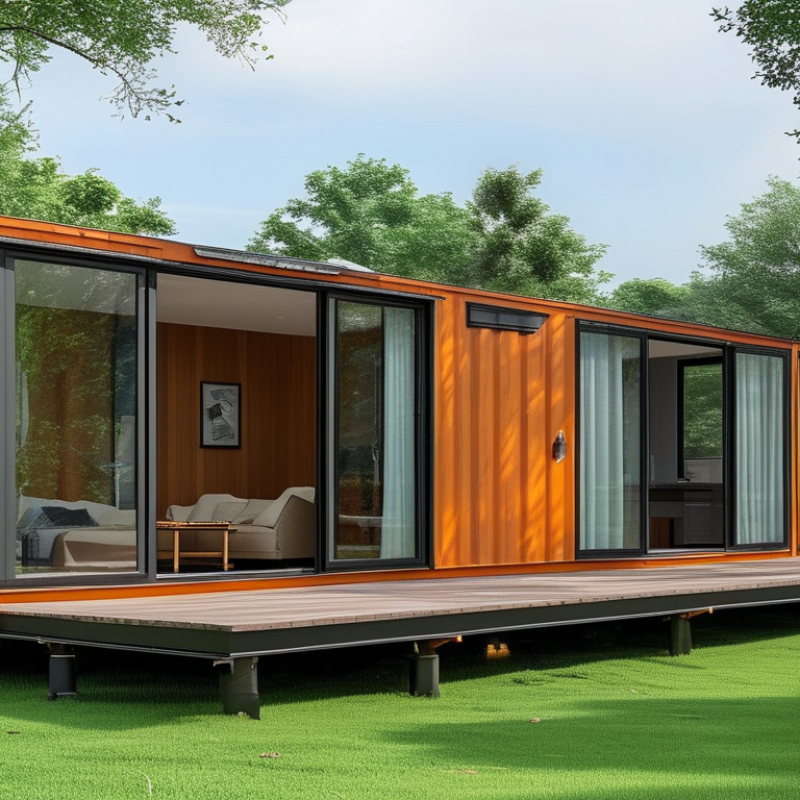
Many factors influence the decision-making process. Consider the size, layout, and functionality of the Living Container House. Each container's unique structure can create various living environments. You might need a spacious home or a compact, efficient design. Visualize how each option fits your lifestyle.
Another critical aspect is cost. Balancing quality and affordability can be tricky. Some may overlook long-term savings for initial low costs. It's essential to reflect on what matters most in your living space. In the end, a thoughtful choice leads to a more satisfying life in a Living Container House.
Understanding the Concept of Living Container Houses
Living container houses are an innovative approach to modern housing. These structures use repurposed shipping containers, offering unique benefits. They are sustainable, economical, and customizable. Choosing such a home requires understanding its core concept.
Living container houses stand out for their versatility. They can serve various purposes, from cozy homes to functional offices. Each container is sturdy and weather-resistant. However, not all containers are created equal. Some may need renovation to meet your standards. Insulation, windows, and plumbing are vital aspects to consider.
While many embrace this eco-friendly option, challenges exist. Local zoning laws can restrict container homes. Resale values may differ from traditional homes. It's essential to do thorough research. Seek expert advice when navigating these complexities. A living container house can provide a unique lifestyle, but it demands careful planning and reflection to succeed.
Assessing Your Space and Budget Requirements
When selecting a living container house, space and budget are crucial factors. One study, the "2022 Housing Trends Report," indicates that 50% of homeowners underestimated their space needs. Evaluating your available land helps avoid this pitfall. For urban dwellers, maximizing vertical space through multi-story designs can be a smart solution.
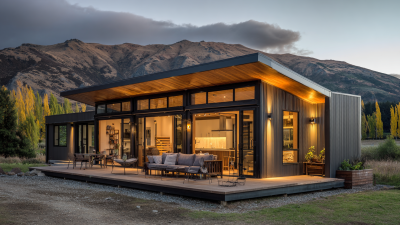
Tips: Consider your lifestyle. If you enjoy outdoor activities, a container home with a spacious deck might fit well. Budget constraints can often limit options. However, many functional designs can accommodate smaller budgets while still providing comfort. A basic container home can start at roughly $10,000, but additional features raise costs.
Opt for sustainable materials if possible. Research shows that eco-friendly designs can save up to 30% on energy bills. Local regulations may influence your container house's structure, too. Finding reliable local contractors can guide you through these nuances. As you plan, remember that clarity on your goals will inform your budget, ensuring that your living space reflects your needs effectively.
Evaluating Container Material and Design Options
When evaluating container material and design options for a living container house, a variety of factors come into play. Container materials can vary significantly in strength and insulation properties. While steel is known for its durability, it may not always provide the best thermal efficiency. According to a report by the International Energy Agency, buildings account for about 36% of global energy use, highlighting the importance of insulation in container homes.
Design choices also greatly impact both aesthetics and functionality. A minimalistic design can reduce costs but may limit usable space. Alternatively, multi-layer designs can enhance insulation and curb appeal. Research shows homes with versatile designs can increase market value by up to 20%. Balancing practicality and visual appeal is essential.
Tip: Always prioritize structural integrity. Containers should be thoroughly inspected for corrosion before purchase. This can save you from costly repairs later on.
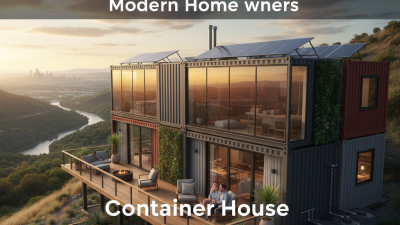
Tip: Consider integrating renewable energy solutions like solar panels. This can significantly lower your long-term energy costs while promoting sustainability.
Your choice of materials and design can make or break the project. Analyze your local climate and intended use. This step is crucial to ensure your new home meets your needs effectively.
Identifying Essential Amenities for Comfort and Functionality
When selecting a living container house, identifying essential amenities is crucial. Comfort and functionality should go hand in hand. Prioritize elements that enhance your daily life. Think about your lifestyle needs. Some may require ample storage; others might prioritize open, airy spaces.
Tips: Consider natural light. Large windows can transform a small space. Look for options that allow for airflow. Comfort begins with your environment.
Additionally, amenities like a well-equipped kitchenette may prove beneficial. Cooking at home can save money and provide comfort. A compact yet functional bathroom is also vital. Ensure it includes basics like proper plumbing and ventilation.
Remember, imperfections exist. Every container house may not fit your ideal vision. Reflect on what truly matters. Is it warmth in the winter or cooling during summer? Knowing your priorities can lead to satisfaction in your final choice.
Researching Local Regulations and Zoning Laws for Container Homes
When considering a living container house, local regulations and zoning laws are crucial. Many areas have specific laws governing container homes. This means that what works in one location may be illegal in another. For instance, a report from the National Association of Home Builders reveals that approximately 70% of zoning ordinances across the U.S. are restrictive when it comes to innovative housing options like container homes.
Researching local codes can be intricate. Building codes often dictate minimum standards for safety and livability. These include requirements for insulation, plumbing, and electricity. Not all containers meet these standards straight off the bat. Some may require modifications. Data from the Container Home Network indicates that 30% of container homeowners faced regulatory challenges during their projects.
Understanding your local zoning laws is equally important. Some areas may designate specific zones for container homes, while others may prohibit them altogether. It’s tempting to start a project without this knowledge, but it can lead to costly fines or forced relocations. Engaging with local building departments can provide clarity and save time. Knowledge is power in this process; a lack of it can complicate your dream home plans significantly.