Discover the Benefits of Simple Container House for 2026?
In recent years, the concept of a Simple Container House has gained traction. These innovative homes reflect a shift towards sustainable living. Made from repurposed shipping containers, they offer affordable housing solutions. People are increasingly drawn to their minimalist design and eco-friendly features.
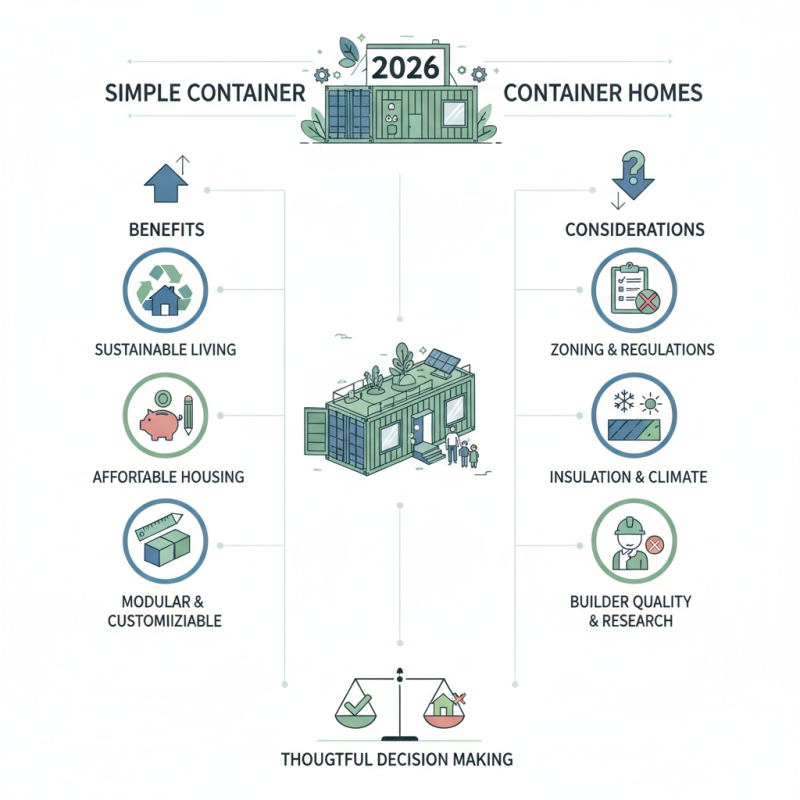
A Simple Container House can be tailored to individual needs. The flexibility in design allows for creativity and personalization. However, challenges exist in zoning regulations and insulation. Not all locations are suitable for these homes. Potential buyers should consider local laws and environmental factors.
The appeal of a Simple Container House lies in its affordability. Yet, it is crucial to acknowledge potential drawbacks. While construction is fast, quality may vary. Future homeowners must research builders thoroughly. Ultimately, a Simple Container House presents both opportunities and obstacles. Thoughtful consideration is key before making a decision.
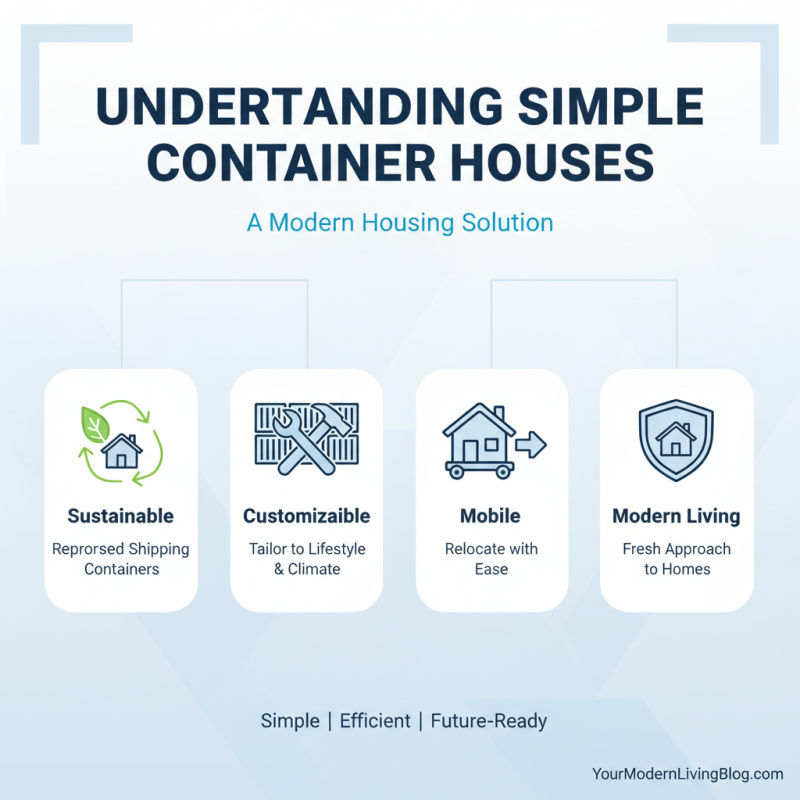
Understanding Simple Container Houses: A Modern Housing Solution
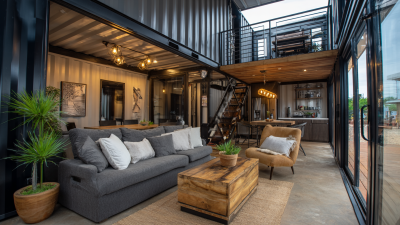
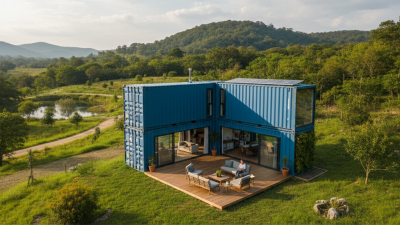
Simple container houses represent a fresh approach to modern living. They are built from repurposed shipping containers, providing a sustainable alternative to traditional homes. These structures can be customized to fit different lifestyles and climates. The potential for mobility adds to their allure, allowing owners to relocate if needed.
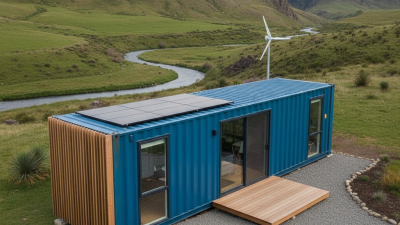
Energy efficiency is another key benefit. With proper insulation and solar panels, container homes can significantly reduce energy costs. However, challenges do exist. Proper ventilation can be tricky, making climate control essential. Some designs may also feel cramped, especially for larger families. Still, the affordability and speed of construction make them an attractive option.
Adapting to life in a container home requires a mindset shift. Minimalism becomes crucial. Residents must prioritize space and reduce clutter. This can lead to a more intentional way of living, but it may also feel restrictive at first. Embracing this change can foster creativity in small spaces, ultimately enhancing one’s living experience. By exploring these aspects, we see that simple container houses offer both unique benefits and challenges for the future.
Key Benefits of Simple Container Houses for Sustainable Living
Simple container houses are gaining popularity in sustainable living discussions. These structures offer flexibility and affordability. According to a report by the Green Building Council, modular housing can reduce construction waste by up to 90%. This substantial reduction highlights the eco-friendly aspect of container homes.
The energy efficiency of these homes is another significant benefit. Studies show that container houses can lower energy bills by 30-50% compared to traditional homes. Proper insulation and smart design contribute to this efficiency. Many container homes can utilize renewable energy sources, making them even more sustainable.
However, challenges exist. Some designs may lack aesthetic appeal. Urban zoning laws can also pose hurdles for placement. Although container homes offer innovative solutions, they require careful planning and creativity to maximize their potential. Addressing these issues can enhance their adoption in the quest for sustainable living. The benefits are clear, but the journey to ideal design remains a work in progress.
Cost-Effectiveness and Affordability of Container Homes in 2026
As we approach 2026, the container home market is gaining traction due to its cost-effectiveness. A recent report shows that the average cost of building a container home is around 30% less than traditional housing. This significant saving appeals to many families and individuals looking for affordable housing solutions. Furthermore, the construction time for these homes is roughly half that of conventional builds. This rapid turnaround time makes container homes an attractive option for those needing quick housing solutions.
However, while container homes are generally more affordable, potential buyers should consider all factors. Not every location is suitable for container homes. Zoning laws and building codes can present hurdles. Additionally, insulation and weatherproofing require careful attention to ensure long-term durability. You might face challenges with resale value compared to traditional homes. It's vital to weigh these factors before committing to a container home.
Tips: Always consult local building regulations before purchasing. Doing thorough research can save time and money. Consider future needs, such as additional space or modification possibilities, to avoid disappointment. Remember, investing wisely in a home is crucial for financial stability.
Discover the Benefits of Simple Container House for 2026
| Aspect |
Description |
Estimated Cost (USD) |
| Initial Investment |
Cost of purchasing and preparing the container |
$20,000 - $40,000 |
| Construction Time |
Faster construction time compared to traditional homes |
4 - 12 weeks |
| Maintenance Cost |
Lower maintenance compared to traditional homes |
$500 - $1,500 annually |
| Energy Efficiency |
Better insulation options lead to lower energy bills |
Up to 30% savings |
| Customization |
Versatile design options and layouts available |
Varies by design |
| Sustainability |
Recycling old containers contributes to reduced waste |
N/A |
Design Flexibility and Customization Options for Container Houses
Container houses are rapidly gaining popularity, thanks to their unique design flexibility. Unlike traditional homes, container structures can be easily customized. Based on recent industry reports, around 65% of homebuyers are exploring alternative housing solutions, such as container homes. This trend highlights the need for innovative designs that serve specific lifestyle preferences.
Customization options are extensive. Homeowners can choose layouts that maximize space efficiency, with open floor plans and multi-functional areas. Moreover, different colors and finishes are available, allowing for personalized exteriors. The portability of these homes even means that homeowners can relocate them with ease. However, some people may overlook local zoning laws, which can complicate the installation process. Ensure you research these regulations before making any major decisions.
Tip: Consider incorporating renewable energy solutions, like solar panels, to enhance sustainability. Many container homes can accommodate such features without extensive modifications. This not only reduces carbon footprints but can also save money in the long run. Always weigh the pros and cons of customization. Balancing aesthetics and functionality is essential for an effective design.
Benefits of Simple Container Houses for 2026
This chart illustrates the benefits of simple container houses for the year 2026. The ratings indicate the perceived value of design flexibility, customization options, cost efficiency, sustainability, and construction speed.
Environmental Impact and Sustainability of Using Container Homes
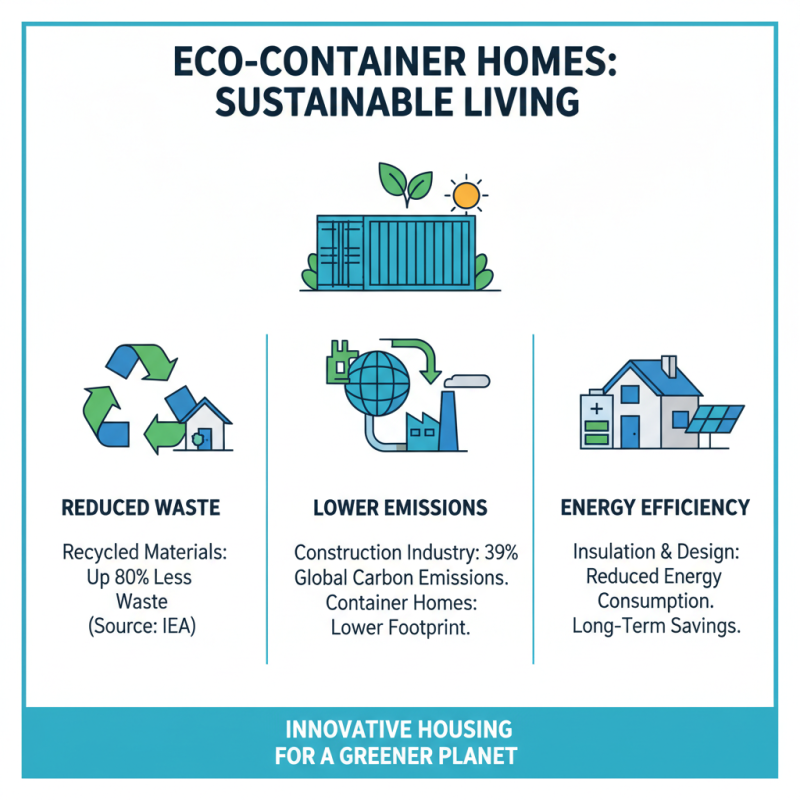
Container homes are an innovative solution in modern housing. They offer a sustainable alternative to traditional construction. The environmental impact is significant. According to a report from the International Energy Agency, using recycled materials can reduce waste by up to 80%. This is crucial as the construction industry accounts for 39% of global carbon emissions.
Container houses also provide energy efficiency. Studies indicate that they use 30% less energy than conventional homes. This efficiency is vital in combating climate change. Additionally, they can be equipped with solar panels and rainwater harvesting systems. Such features further contribute to sustainability. The ability to customize space means they can fit different needs, yet they might lack the aesthetic appeal of traditional houses.
However, there are challenges and limitations. The insulation can sometimes be inadequate, leading to potential discomfort. Container homes may also face zoning restrictions, complicating their use in urban areas. Affordability is another concern. While initial costs may be lower, long-term expenses could rise due to maintenance. Thus, while container homes have benefits, they also raise questions that require careful consideration.