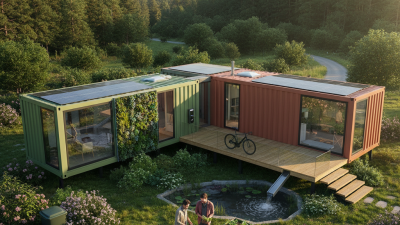
Top 5 Benefits of Prefab Houses for Global Buyers?
In recent years, the demand for Prefab Houses has surged globally. According to a report from Research and Markets, the prefabricated building market is expected to reach over $200 billion by 2026. This significant growth highlights the increasing acceptance of modern construction methods among various buyers.
John Smith, a leading expert in sustainable housing, emphasizes, "Prefab Houses offer efficiency and flexibility that traditional homes can't match." The appeal is evident, as these homes are built in controlled factory environments, reducing waste and construction time. Today’s buyers appreciate the speed and eco-friendliness associated with prefab solutions.
Despite their advantages, questions about customization and long-term durability arise. Buyers must evaluate how prefabricated homes will fit their unique needs and lifestyles. It's crucial to consider both the benefits and possible drawbacks in this evolving market.
Understanding Prefab Houses: A Modern Housing Solution
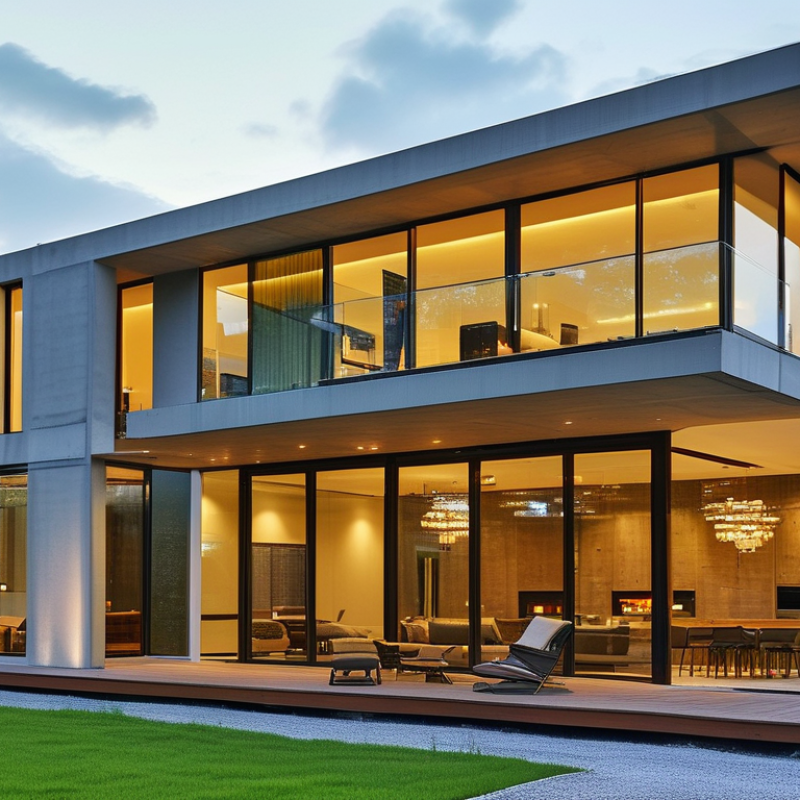
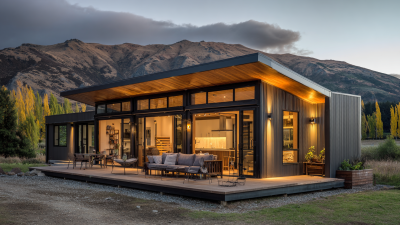
Prefab houses have gained popularity as a modern housing solution. They are constructed off-site and assembled on location, offering unique advantages. This method reduces construction time significantly. Many buyers appreciate the speed of completion, allowing them to move in sooner.
Crafted with precision, prefab houses use advanced manufacturing techniques. This process can lead to higher quality, reducing human error. Buyers can select various designs and layouts to fit their lifestyles. This customization meets diverse needs, but not all designs suit every location. Some may struggle with aesthetic integration into existing environments.
Sustainability is another appealing aspect. Many prefab houses utilize eco-friendly materials, contributing to a lower carbon footprint. Yet, it raises questions about sourcing and long-term durability. While these homes often boast energy efficiency, not all buyers may be fully informed about maintenance needs.
Education on these factors is crucial for making informed decisions.
Cost-Effectiveness: How Prefab Houses Save Money for Buyers
Prefab houses offer significant cost-effectiveness for global buyers. They reduce construction time and labor expenses. Prefab homes are built in factories, which leads to controlled environments and fewer delays. This efficiency translates into lower costs for buyers.
Tips: Explore different designs and materials. This can impact the final price significantly. Consider local regulations and any potential fees that may arise during the purchasing process.
Prefab homes also reduce waste. Traditional construction can generate substantial debris. Prefabrication minimizes excess materials. It promotes a sustainable approach to building. However, selecting the right manufacturer is essential for ensuring quality and durability.
Tips: Research your options carefully. Look for builders with positive reviews and extended warranties. Understand the assembly process and any additional costs, such as site preparation. This knowledge helps prevent unexpected expenses.
Top 5 Benefits of Prefab Houses for Global Buyers: Cost-Effectiveness
Time Efficiency: The Rapid Construction of Prefab Homes
Prefab houses have gained popularity due to their time efficiency. Rapid construction stands out as a key advantage. According to a recent report by the National Association of Home Builders, prefab homes can be built up to 50% faster than traditional methods. This speed in construction meets growing demand from global buyers looking for immediate housing solutions.
With streamlined manufacturing processes, prefab homes allow for faster assembly on-site. Modules are constructed in factories, minimizing delays caused by weather or labor shortages. Delays can increase costs significantly; a study by HousingWire found that delays can add up to 25% in total project costs. Swift completion means homeowners can move in sooner, which is vital in emergencies or housing crises.
Tip: Ensure you conduct thorough research on prefab options. While speed is appealing, assess the quality and sustainability of materials used. Not all prefab homes are created equal.
Remember, the rush to build can lead to overlooking important details. It’s crucial to choose reliable manufacturers who adhere to industry standards. This will help to avoid potential issues down the line. Investing time in choosing the right prefab home can save headaches later.
Sustainability: The Eco-Friendly Benefits of Prefabricated Housing
Prefab houses offer significant sustainability benefits that resonate with global buyers. These homes are often built in controlled environments, minimizing waste during construction. Materials are sourced responsibly, which reduces the carbon footprint associated with traditional building methods. This approach preserves natural resources and promotes a more sustainable lifestyle.
Energy efficiency is another crucial advantage. Prefabricated homes typically incorporate advanced insulation and energy-saving technologies. This results in lower utility bills and a reduced environmental impact. Moreover, many prefab houses utilize environmentally friendly materials, contributing to overall health and well-being.
Yet, there are challenges. Not every prefab option is designed with long-term sustainability in mind. Buyers must carefully evaluate materials and designs. Not all manufacturers adhere to eco-friendly practices consistently. Doing research is vital for informed choices. Ultimately, while the eco-friendly benefits are clear, assessing individual products remains essential.
Flexibility and Customization: Tailoring Prefab Homes to Individual Needs
Prefab houses offer remarkable flexibility and customization options for buyers. Unlike traditional construction, these homes can be tailored to fit specific needs and preferences. Buyers can choose layouts, materials, and finishes that reflect their unique lifestyles and tastes. This empowers them to take an active role in creating their living space.
Customization in prefab homes can often seem overwhelming. It's essential to prioritize what truly matters. Some buyers get caught up in aesthetic choices, forgetting practical needs. For instance, energy efficiency may take a backseat to trendy designs. Finding balance is crucial in this customization journey. In addition, the flexibility of prefab builds enables future changes. Buyers can expand or modify these homes as their lives evolve. This adaptability is a big draw for families and individuals alike.
Despite the clear benefits, buyers should approach customization with caution. Over-customization can lead to budget overruns and time delays. It's wise to work with professionals who understand local building regulations. They can offer guidance on what is feasible while respecting individual visions. Embracing both creativity and practicality can unlock the full potential of prefab living.
Top 5 Benefits of Prefab Houses for Global Buyers
| Benefit |
Description |
Example Customization |
| Flexibility |
Prefab houses can be easily adapted to fit different spaces, making them suitable for various environments. |
Modular designs allow for multiple configurations. |
| Cost-Effectiveness |
Lower construction costs due to factory production and reduced labor time. |
Bulk buying of materials for savings. |
| Environmental Sustainability |
Prefab houses often use eco-friendly materials and generate less waste. |
Use of recycled materials in construction. |
| Speed of Construction |
Most prefab homes can be constructed in a fraction of the time it takes traditional homes. |
Homes can be ready for occupancy within weeks. |
| Customization Options |
Buyers can personalize layouts, finishes, and additional features according to their needs. |
Choice of kitchen layouts, flooring, and exterior finishes. |