What are the Benefits of Choosing Iso Container Homes?
In recent years, the popularity of Iso Container Homes has soared. Experts like John Smith, a leading architect in sustainable housing, emphasize their unique advantages. He notes, "Iso Container Homes combine affordability with eco-friendliness, making them a smart choice."
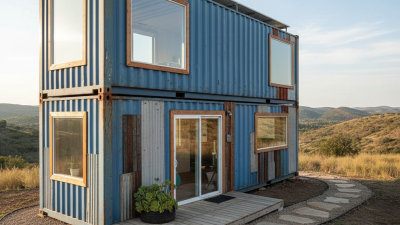
These homes utilize repurposed shipping containers. This material not only reduces waste but also cuts costs significantly. Iso Container Homes offer diverse designs and layouts. Many owners appreciate the flexibility to create custom spaces that reflect their styles. However, it's important to consider local building codes before diving in.
Another significant benefit is energy efficiency. These homes can be insulated effectively, leading to lower energy bills. Some might overlook the potential challenges, such as limited space and resale value. Nonetheless, Iso Container Homes present a viable, innovative solution for modern living. Each home tells a story of creativity and sustainability.
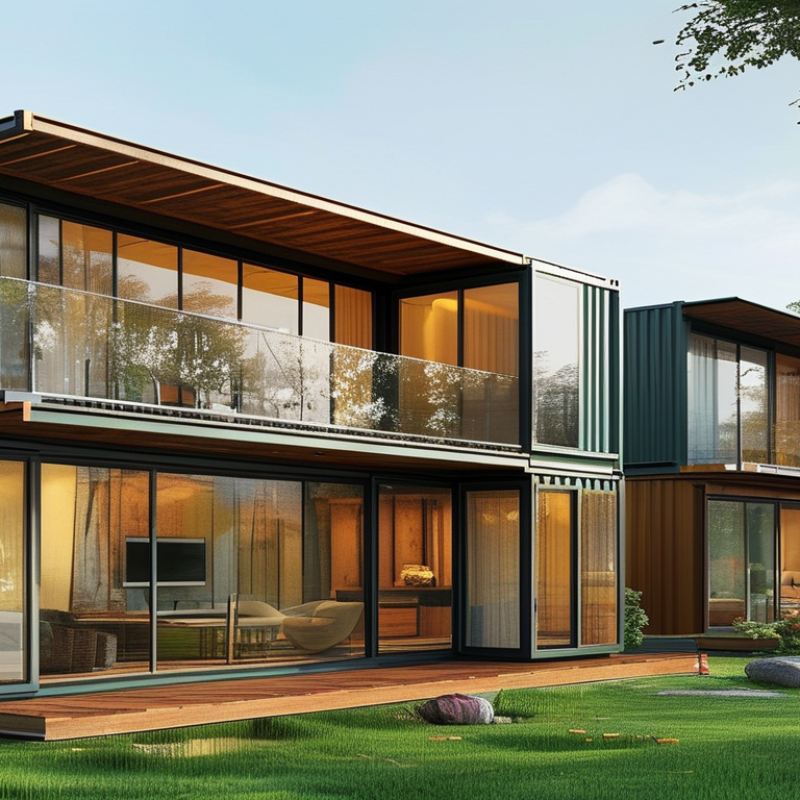
Benefits of Iso Container Homes: An Overview
Iso container homes offer numerous benefits that appeal to various lifestyles. They are known for their durability and strength, making them resistant to harsh weather conditions. The use of repurposed materials aligns with sustainable living practices, reducing environmental impact. These homes can also be customized to fit individual needs, providing flexibility in design.
In terms of cost, building an Iso container home can be more affordable compared to traditional housing. They require less time to construct and can often be transported easily to different locations. This feature is advantageous for those seeking mobility without sacrificing comfort. The insulation properties of these containers also provide energy efficiency, potentially lowering utility bills.
When considering an Iso container home, think about zoning regulations. Not all areas permit container homes, which could complicate your plans. Research the market to find reliable contractors with experience in container construction. It's crucial to understand the associated challenges, such as limited space or interior design constraints. Embracing this unique housing option may require creativity and adaptability.
What are the Benefits of Choosing Iso Container Homes? - Benefits of Iso Container Homes: An Overview
| Benefit |
Description |
| Cost-Effective |
Using ISO containers is often cheaper than traditional construction methods. |
| Durability |
Containers are built to withstand harsh weather and transportation conditions. |
| Portability |
Containers can be easily relocated, offering flexibility for homeowners. |
| Eco-Friendly |
Repurposing shipping containers reduces waste and promotes sustainability. |
| Customizable |
Containers can be modified into various layouts and designs to suit individual needs. |
| Speed of Construction |
Container homes can be constructed rapidly, often in a matter of weeks. |
| Energy Efficiency |
With proper insulation, container homes can be energy-efficient, reducing utility bills. |
| Unique Aesthetic |
Container homes offer a contemporary and industrial look that appeal to many buyers. |
Cost-Effectiveness of Iso Container Homes Compared to Traditional Homes
Iso container homes have gained popularity for several reasons. One of the most compelling is their cost-effectiveness. Compared to traditional homes, they generally require less investment for construction. This efficiency gives homeowners a chance to save significantly. The lower initial costs make them appealing, especially to first-time buyers or those on a budget. Moreover, as the demand for housing grows, container homes present a unique solution without breaking the bank.
When planning your container home, consider the locations of utilities and insulation needs. Efficient design can enhance comfort and energy efficiency. It's crucial to choose the right container size, as smaller options may limit your layout. Some people find themselves feasting on creativity while creating their space but may overlook essential aspects like ventilation and natural light.
Affordable living doesn't mean compromising on quality. Many builders focus on using eco-friendly materials. This choice can lead to long-lasting structures and reduced maintenance costs. Be sure to do thorough research and consult experts in container home construction. Engaging with professionals can guide you through the process. Avoid mistakes by planning ahead and considering future needs.
Sustainability and Environmental Benefits of Using Iso Containers
Iso container homes offer significant sustainability and environmental advantages that appeal to eco-conscious consumers. Utilizing repurposed shipping containers can reduce construction waste by up to 80%. This aspect is not only appealing but also increases resource efficiency. According to a 2022 report by the Environmental Protection Agency, buildings account for 39% of carbon emissions in the U.S. By converting existing materials, we can mitigate this environmental impact and promote a circular economy.
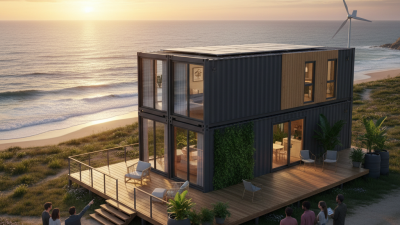
Container homes are incredibly versatile. They can be designed to incorporate green technologies, like solar panels and rainwater harvesting systems. Such features can significantly lower energy costs and minimize water usage. A study from the International Energy Agency estimates that energy-efficient buildings can reduce operational energy consumption by 25% to 60%. This demonstrates not just potential energy savings but also long-term environmental benefits.
Despite the advantages, some challenges remain. The insulation of container homes can be problematic. Proper insulation is essential for comfort in various climates. Additionally, modifying containers to include windows and doors can impact their structural integrity. Addressing these shortcomings adds complexity to the design process but is a necessary step for improving sustainability. Engaging with experts in architecture and eco-friendly building practices is vital for achieving the best results.
Flexibility and Customization Options for Container Home Designs
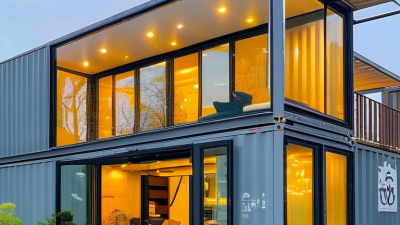
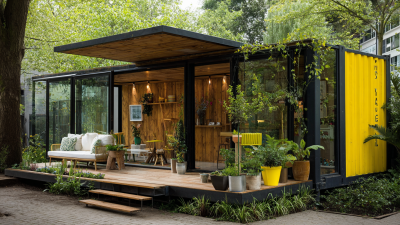
Container homes offer unique flexibility and customization options for modern living. With an array of designs, individuals can truly make their space their own. From minimalist to industrial styles, the choices are endless. Whether you want an open layout or distinct rooms, container homes can be structured to fit your vision. The walls can be rearranged, windows added, and even rooftops can be transformed into gardens. This level of personalization is rare in traditional homes.
One of the significant advantages of container homes is their adaptability. Homeowners can start with a basic design and expand over time. It’s possible to add more containers later or modify existing ones. However, it’s essential to consider the long-term implications of such changes. Some modifications may not meet local building codes or require additional permits. Researching these regulations beforehand can save time and resources.
Thinking ahead is crucial in design. Choose features that enhance both functionality and aesthetics. Open floor plans can create a sense of space, while efficient storage solutions are vital. Use multi-functional furniture when possible. Keep in mind that customization can sometimes lead to higher costs. It’s wise to establish a budget and prioritize key elements that make your container home truly unique. Aim for a balance between creativity and practicality.
Durability and Safety Features of Iso Container Homes
Iso container homes have gained popularity due to their impressive durability and safety features. These homes can withstand harsh weather conditions, making them a reliable option. According to industry reports, a well-constructed ISO container can endure wind speeds of over 100 mph. This resilience provides a sense of security for homeowners, particularly in storm-prone areas.
One notable aspect is fire resistance. ISO containers have a steel structure that offers excellent protection against fire hazards. Studies show that metal structures perform better in preventing fire spread compared to traditional wooden homes. However, one needs to ensure proper insulation to mitigate the risk of heat retention, which can be a concern in warmer climates.
When considering an ISO container home, pay attention to safety features like reinforced doors and windows. They not only enhance security but also provide energy efficiency. Proper sealing and insulation can help maintain a comfortable indoor temperature. It’s essential to reflect on your specific needs and the local climate when designing your home. This can help create a space that is not just durable, but also safe and comfortable.